Inner Child Therapy in India | Clinically Proven & Published Research | Wellness Space
Inner child therapy is an evidence-based therapeutic approach to healing Adverse Childhood Experiences (ACEs) and unresolved childhood trauma. At Wellness Space in Ahmedabad, our inner child therapy work is one of the few inner child therapy and inner child healing practices in India grounded in published clinical research — including peer-reviewed publications in the International Journal of Regression Therapy and Acta Psychologica —making us one of the only practices in India offering inner child therapy backed by measurable outcomes. We help adults move from “What’s wrong with me?” to “What happened to me?” — and toward lasting recovery.
Inner Child Therapy is one of the approaches discussed in our overview of Childhood Trauma, ACEs, and Positive Childhood Experiences (PCEs), which explains how childhood experiences shape adult mental health and resilience.
Evidence-Based Psychotherapy (Module 3-Inner Child) involves integrating the history of childhood trauma into the therapeutic intervention. Inner child therapy involves going back to experiences, reliving them, and eventually processing forgotten, ignored, or repressed memories that are negatively impacting the individual’s life. Inner Child Therapy works with lasting impressions of childhood experiences — particularly ACEs — that continue to shape patterns, relationships, and emotional responses in adult life. Inner child therapy often deals with childhood trauma, negative experiences and beliefs that impact the normal behaviour of an individual and limit him/her from achieving the true potential that every human being has.
Inner child Integration work is a specialization that deals with childhood trauma and negative experiences during the early stages of life (also known as Adverse childhood experiences or ACEs). Such events have a profound impact on the relationships, behaviour and health. They shape life patterns and contribute to all psychosomatic diseases(a condition in which the symptoms of a physical, i.e. somatic illness, are worsened by mental illness ). Releasing inner child emotional trauma and impressions can release the adult from the subconscious impressions that prevent him/her from achieving their true potential.
Some of the examples where inner child therapy has helped individuals include anxiety in specific situations, relationship issues, confidence, exam fear or anxiety, unexplained patterns, inability to achieve goals, challenges with anger and so on.
Inner Child Therapy and Complex PTSD (CPTSD)
Many adults seeking Inner Child Therapy are experiencing the long-term effects of childhood trauma, often referred to as Complex Post-Traumatic Stress Disorder (CPTSD). Unlike a single traumatic event, CPTSD develops from repeated experiences such as emotional neglect, emotional abuse, chronic criticism, rejection, abandonment, or growing up in an unpredictable environment.
These experiences can contribute to:
- Persistent feelings of shame or low self-worth
- Difficulty trusting others
- Fear of abandonment
- People-pleasing behaviours
- Emotional overwhelm or emotional numbness
- Relationship difficulties
- Anxiety and depression
Inner Child Therapy helps individuals understand how these patterns developed, reconnect with unmet emotional needs, and develop healthier ways of relating to themselves and others.
Learn more about CPTSD and childhood trauma
What to Expect in an Inner Child Therapy Session
Inner child therapy is a structured therapeutic process, not a single technique. At Wellness Space, sessions follow a clear arc that has been refined over thousands of hours of clinical work and validated through our published research.
Before therapy begins
Your first contact with us is an intake conversation, not a therapy session. We use this time to understand your history, your current concerns, and what brought you to inner child work. As part of the intake, we may use the Trivedi ACE-14 Assessment™ to map your exposure to Adverse Childhood Experiences, and the PsyComplexity Scale™ to understand how layered your situation is. These two tools help us recommend the right therapist, the right session frequency, and realistic expectations for the work ahead.
Within a typical session
A standard inner child therapy session lasts 60 to 90 minutes and moves through three broad phases:
- Settling the body and nervous system — We begin with breathing, grounding, or a short body-based practice drawn from the Trivedi FLIP Model™. This is not optional. Trauma work cannot begin from a dysregulated state; the body needs to feel safe before the mind can do the deeper work.
- Connecting with the inner child — Using guided visualisation, hypnotic methods, or affect-bridge techniques, you’ll gently access the memory, feeling, or pattern that is ready to be worked with. You remain fully aware throughout. Nothing is forced; the therapist holds the space so you can move at your own pace.
- Release, reframe, and integrate — The unresolved emotion is released, the original event is reframed from your present, adult understanding, and the experience is integrated so it no longer drives your reactions in daily life. This is the moment that creates lasting change — and the reason inner child therapy often succeeds where talk therapy alone has not.
Between sessions
You will receive simple, self-regulation practices to use between sessions. These are not homework in the conventional sense — they are tools to keep your nervous system stable and to deepen the work that began in the session. Many of these practices are detailed in our book What Happened to Me? vs What’s Wrong with Me?: Indian Perspectives on Childhood Trauma and Recovery, which draws upon more than 20,000 clinical hours, 3,000 childhood trauma assessments, and over a decade of childhood trauma research in India.
How many sessions will you need?
This varies considerably. Clients with lower complexity scores often see meaningful change within 6 to 12 sessions. Clients with higher PsyComplexity Scale™ scores — those with repeated childhood trauma, multiple symptom areas, or co-occurring conditions — typically benefit from a longer arc of work. We review progress every 4 to 6 sessions, so the work stays accountable and you can clearly see your own progress.
A note on safety
Inner child therapy can surface intense emotions. That is part of how it works — and why it must be done with a trained, trauma-informed therapist, not as self-help. At Wellness Space, every inner child therapist is certified through our Module 3 training and works within a clear ethical and clinical framework. If you are in crisis or experiencing negative thoughts, we ask you to reach out for immediate support first, and we will work with you to stabilise before deeper trauma work begins.
Does inner child therapy actually work? Is there evidence?
Yes. Wellness Space has published two peer-reviewed studies in the International Journal of Regression Therapy showing significant reductions in anxiety and depression scores, measurable improvement in sleep quality (ISI), and improved overall well-being (WHO-5 index) in adults who completed inner child therapy at our centre. The research was also featured in India Today in January 2025.
Wellness Space has built an extensive body of childhood trauma research in India, with over 10 peer-reviewed publications supporting the link between ACEs and anxiety, depression, sleep, and well-being, self-regulation, inner child therapy outcomes in India, PTSD (Post-traumatic stress disorder) and Complex Trauma: CPTSD.
This page has been reviewed by:
- Gunjan Y Trivedi, PhD
- Riri G Trivedi, PhD
Authors of What Happened to Me? vs What’s Wrong with Me?: Indian Perspectives on Childhood Trauma and Recovery and contributors to published research on childhood trauma, ACEs, resilience, depression, anxiety, and psychotherapy outcomes in India.
Frequently Asked Questions about Inner Child Therapy
What is inner child therapy?
Inner child therapy is an evidence-based therapeutic approach that helps adults identify and heal unresolved childhood experiences. It works by accessing memories, emotions, and belief patterns formed during early life — particularly those linked to Adverse Childhood Experiences (ACEs) — and processing them so they no longer drive behaviour, relationships, or health in adulthood.
How is inner child therapy different from regular counselling or talk therapy?
Talk therapy primarily works at the level of conscious thought and insight. Inner child therapy goes deeper, using hypnotic and non-hypnotic techniques to access repressed emotions and memories that talk therapy often cannot reach. At Wellness Space, this process is also measurable: we track your progress every 4–6 sessions using validated assessment tools, including the Trivedi ACE-14 Assessment™ and PsyComplexity Scale™.
What issues can inner child therapy help with?
It is particularly effective for anxiety, depression, recurring anger, relationship difficulties, exam fear, low confidence, unexplained emotional patterns, and psychosomatic conditions — especially where these trace back to childhood experiences such as abuse, neglect, emotional unavailability of a parent, or a dysfunctional family environment.
Is inner child therapy available online in India?
‘Inner child therapy at Wellness Space is available in-person in Ahmedabad and online across India and internationally, following the same evidence-based approach
How many sessions will I need?
This varies depending on the complexity of your history. Clients with lower complexity often see meaningful change within 6–12 sessions. Those with more layered trauma histories typically benefit from a longer arc of work. We assess this at intake using the PsyComplexity Scale™ and review your progress every 4–6 sessions, so you always know where you stand.
How much does inner child therapy cost?
Wellness Space offers a sliding scale to make therapy more accessible. Fees are shared when we respond to your inquiry, along with a list of available therapists matched to your needs.
Is inner child therapy safe?
Yes, when conducted by a trained, trauma-informed therapist. At Wellness Space, all inner child therapists are certified through our Module 3 training programme and work within a clear clinical and ethical framework. If you are currently in crisis, we stabilise first before beginning deeper trauma work.
What happens before therapy begins?
The first contact is an intake conversation, not a therapy session. We take a detailed history, understand your current concerns, and use the Trivedi ACE-14 Assessment™ and PsyComplexity Scale™ to match you with the right therapist and set realistic expectations for the work ahead.
Is inner child therapy the same as inner child healing?
Inner child healing is a broader term for the process of recognising and resolving childhood wounds. At Wellness Space, we use structured, evidence-based inner child therapy techniques to facilitate this healing, making our approach one of the few in India backed by peer-reviewed published research.
Want to explore inner child therapy?
Send us a WhatsApp message on +91 9099853844 or fill out the enquiry form and we will get back to you with available therapists and next steps.
Exploring inner child therapy training?
The next batch details are available here. Register here or pay directly to confirm your seat. For questions, send a WhatsApp message on +91 9099853844.
In the press:
Effectiveness of Inner Child Therapy (two publications in the International Journal of Regression Therapy) in India Today
Scientific Evidence on ACEs and Inner Child Therapy – research published by Wellness Space
More on Current Life Regression
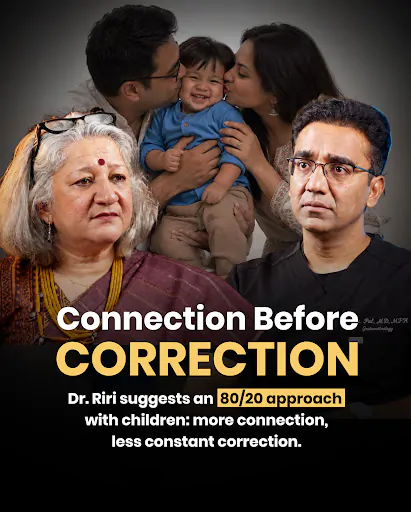
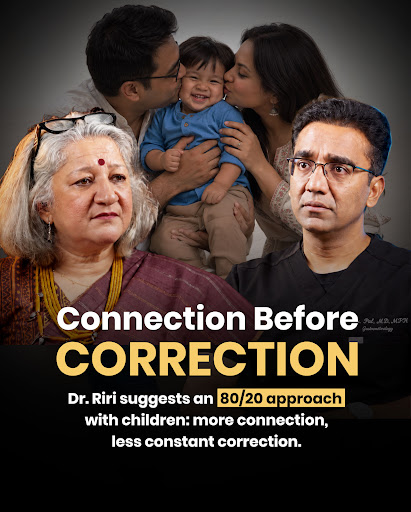
How Childhood Trauma Shapes Your Adult Life: Hidden Patterns, Parenting and Recovery
How Childhood Trauma Shapes Your Adult Life: Hidden Patterns, Parenting and Recovery How do childhood experiences shape how we behave, relate, parent, and respond to stress as adults? In this episode of Gut Feeling with
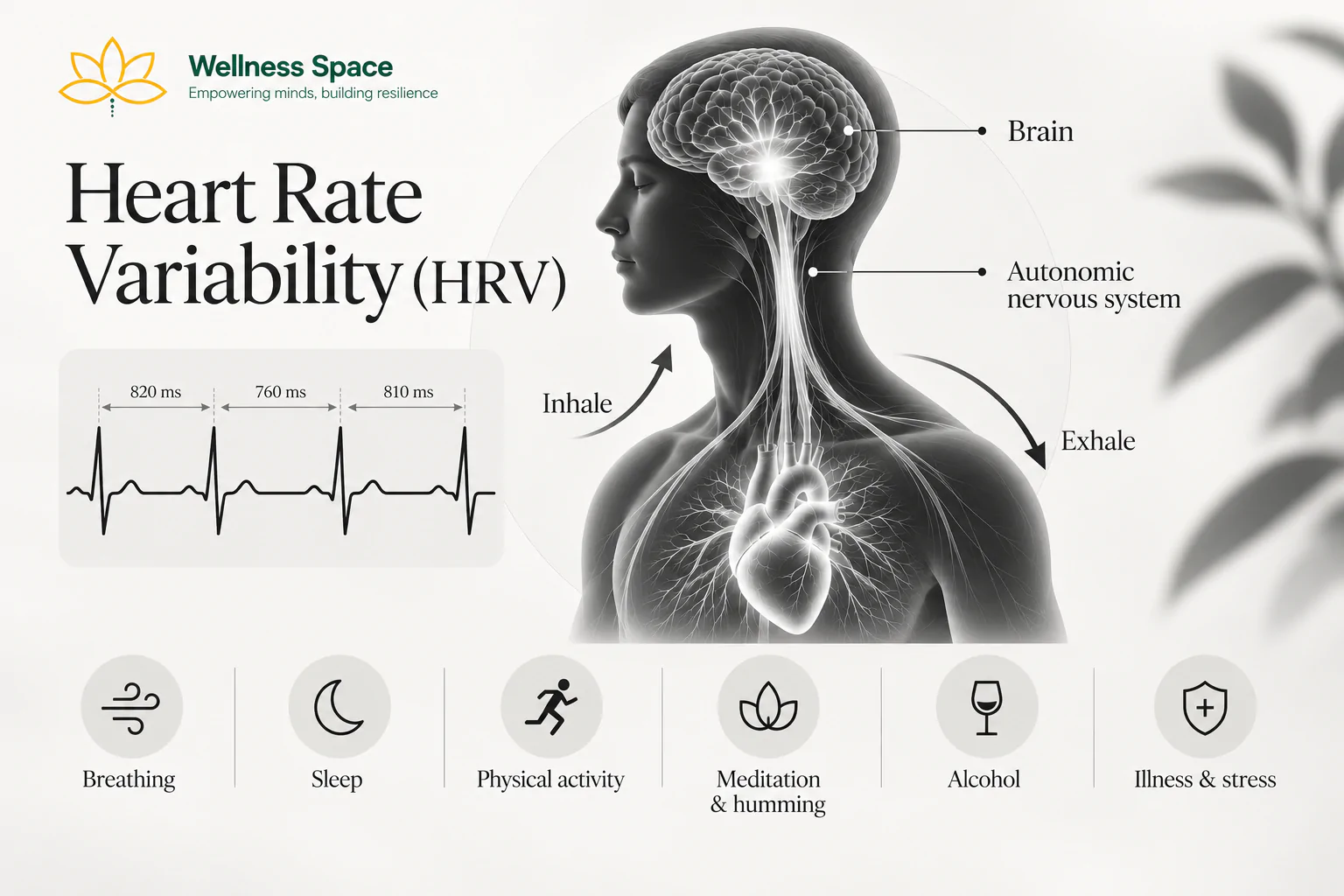
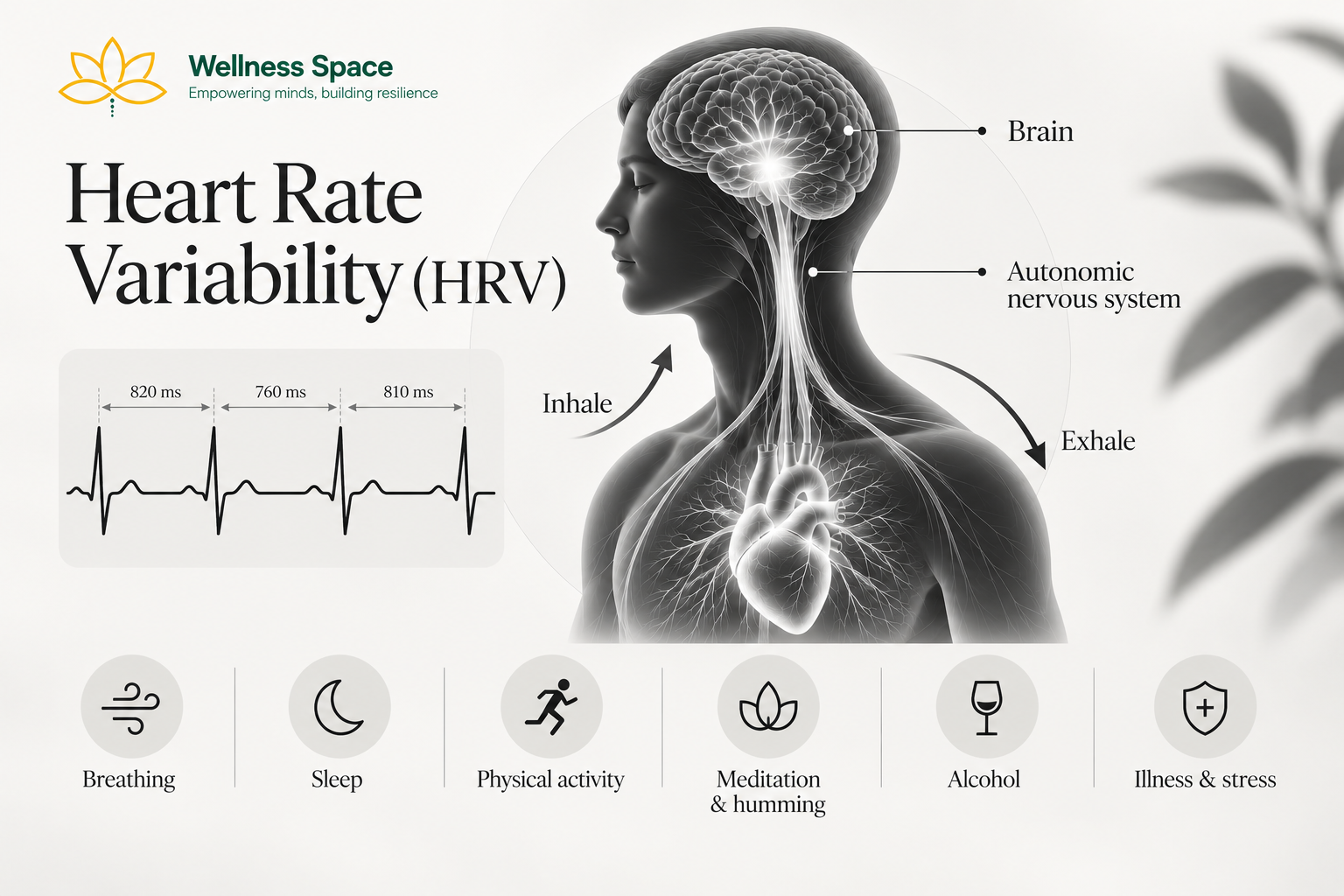
Heart Rate Variability: What It Actually Tells You About Stress, Recovery and the Nervous System
Heart Rate Variability: What It Actually Tells You About Stress, Recovery and the Nervous System Your watch shows you a number each morning and calls it recovery. The number is real. Most explanations go wrong

How to Forgive Someone Who Hurt You
How to Forgive Someone Who Hurt You - When Being Told To Isn't Enough Forgiveness is a process, not a command. Relationship Dialogue in hypnotherapy, for people who are still in your life. Wellness Space,

Past Life Regression Therapy: How, What, Who?
Past Life Regression Therapy: How, What, Who? Past Life Regression Therapy (PLRT) is a therapeutic process that explores memories, experiences or impressions a person encounters as belonging to a past life, and works with what