How Childhood Trauma Shapes Your Adult Life: Hidden Patterns, Parenting and Recovery
How do childhood experiences shape how we behave, relate, parent, and respond to stress as adults?
In this episode of Gut Feeling with Dr. Pal, psychotherapist, researcher and author Dr. Riri G. Trivedi explores how childhood experiences can leave lasting psychological and behavioural patterns — sometimes in ways that are difficult to recognise.
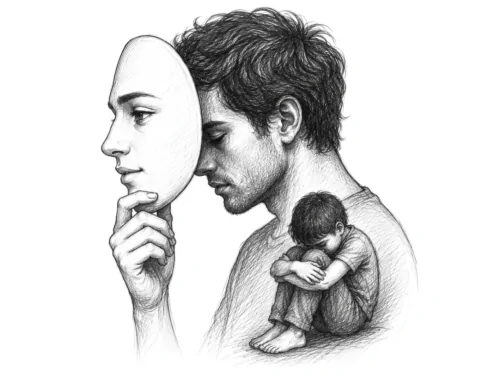
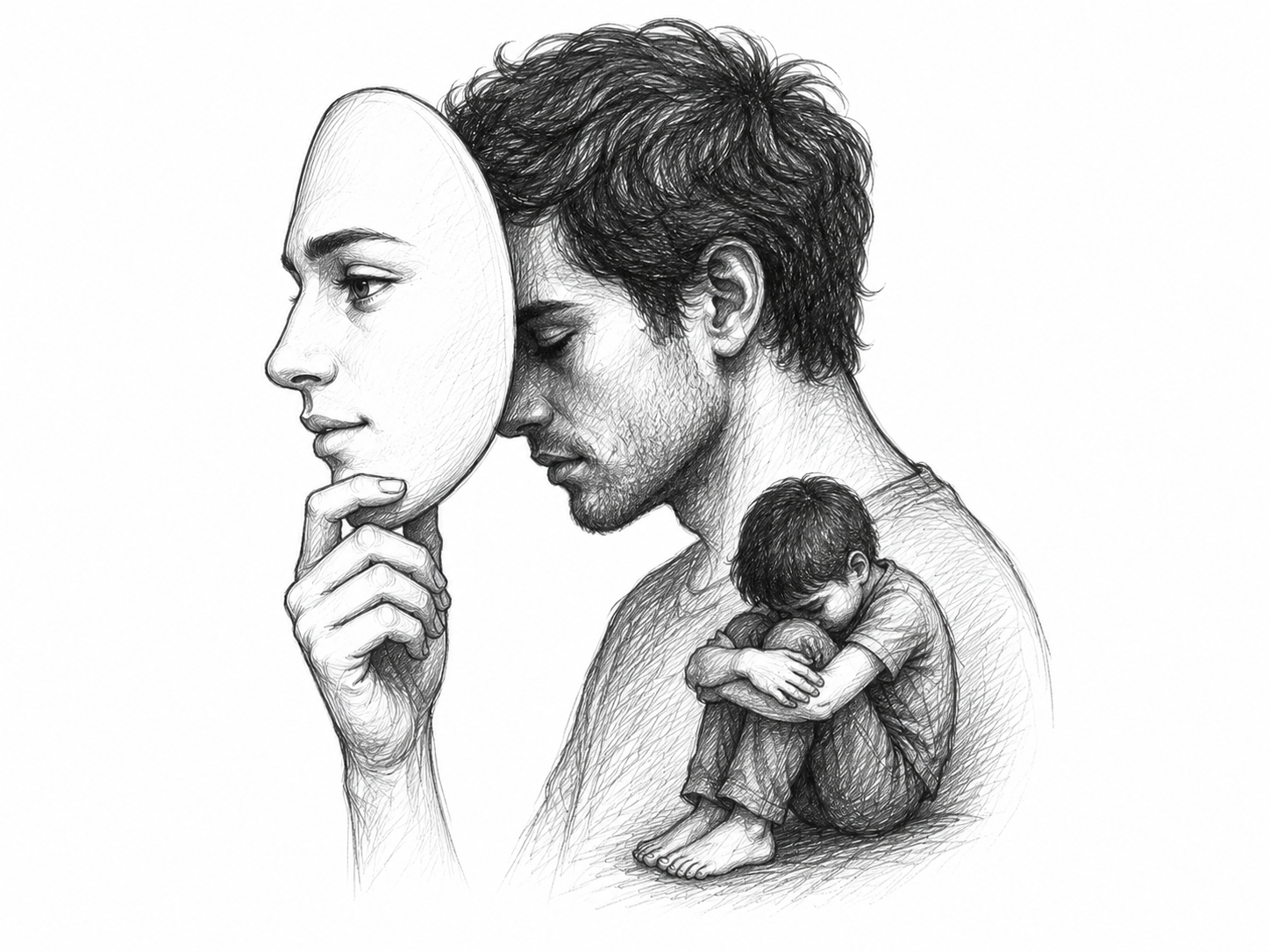
The conversation moves beyond the idea of childhood trauma as only severe or obvious abuse. It explores emotional neglect, family conflict, criticism, bullying, people-pleasing, hypervigilance, relationship difficulties, parenting patterns, and how adults may continue responding to life through strategies they learned in childhood.
A central message of the conversation is that understanding these patterns isn’t about blaming parents or staying stuck in the past. It is about developing enough awareness to recognise what happened, how it shaped us, and what we can do differently now.
Watch the full conversation below: How Childhood Trauma Shapes Your Adult Life — Gut Feeling with Dr. Pal
What does childhood trauma actually mean?
One of the important points in the conversation is that childhood trauma does not have to look the same in every family.
Dr Trivedi discusses three broad areas of childhood adversity:
- Interpersonal experiences — such as physical or emotional abuse and emotional neglect
- Dysfunctional family environments — including persistent parental conflict, domestic violence, substance-related problems or emotionally unavailable parents
- School experiences — including bullying, isolation, name-calling and repeated social rejection
Importantly, the discussion also highlights the subjective nature of trauma.
Two children can experience a similar situation but respond to it differently. What matters is not simply what happened externally, but also how the child experienced, interpreted and emotionally processed the experience.
Emotional neglect is a particularly important example. A child does not necessarily have to be physically harmed to experience adversity. Growing up without someone consistently asking, “How are you feeling?”, listening to the child’s concerns or providing emotional safety can also shape how that child learns to understand emotions and relationships.
This distinction is important when thinking about childhood trauma in the Indian context, where experiences such as comparison, criticism, family conflict and emotional suppression may sometimes be normalised.
Key topic (Click below) | What it covers |
What Counts as Childhood Trauma? — Watch from 5:02 | Emotional abuse and neglect, dysfunctional families, domestic violence, bullying, and why trauma can be subjective. |
How Childhood Shapes Adult Behavior & Relationships — Watch from 9:30 | People-pleasing, difficulty saying no, emotional patterns, attachment, relationship expectations and emotional unavailability. |
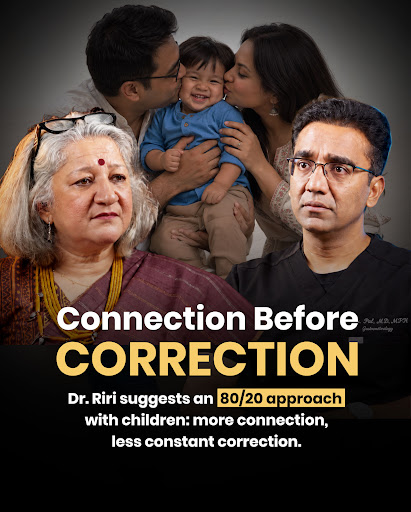
Parenting: Connection, Boundaries & Positive Parenting — Watch from 20:47 | The 80/20 idea, connection before correction, emotional validation, boundaries and parenting styles. |
People-Pleasing, Boundaries & Generational Patterns — Watch from 25:28 | The “good child,” fear of saying no, Gen Z boundaries and how learned childhood patterns can continue into adulthood. |
Self-Regulation & Emotional Resilience — Watch from 34:01 | Nervous-system regulation, pausing before reacting, breathing, meditation, emotional resilience and changing established patterns. |
When Do You Need Therapy? — Watch from 38:24 | Recognizing when emotional or behavioral difficulties become persistent or disruptive and when professional support may help. |
Trauma Memories, Family Conflict & Children — Watch from 41:14 | Trauma memories, memory reconsolidation, mother–daughter/mother-in-law conflicts and the impact of fighting in front of children. |
ACEs, PCEs & Moving Towards Recovery — Watch from 51:46 | Adverse and Positive Childhood Experiences, resilience, breaking generational patterns and moving from awareness towards recovery. |
Our books on the ideas covered in the podcast
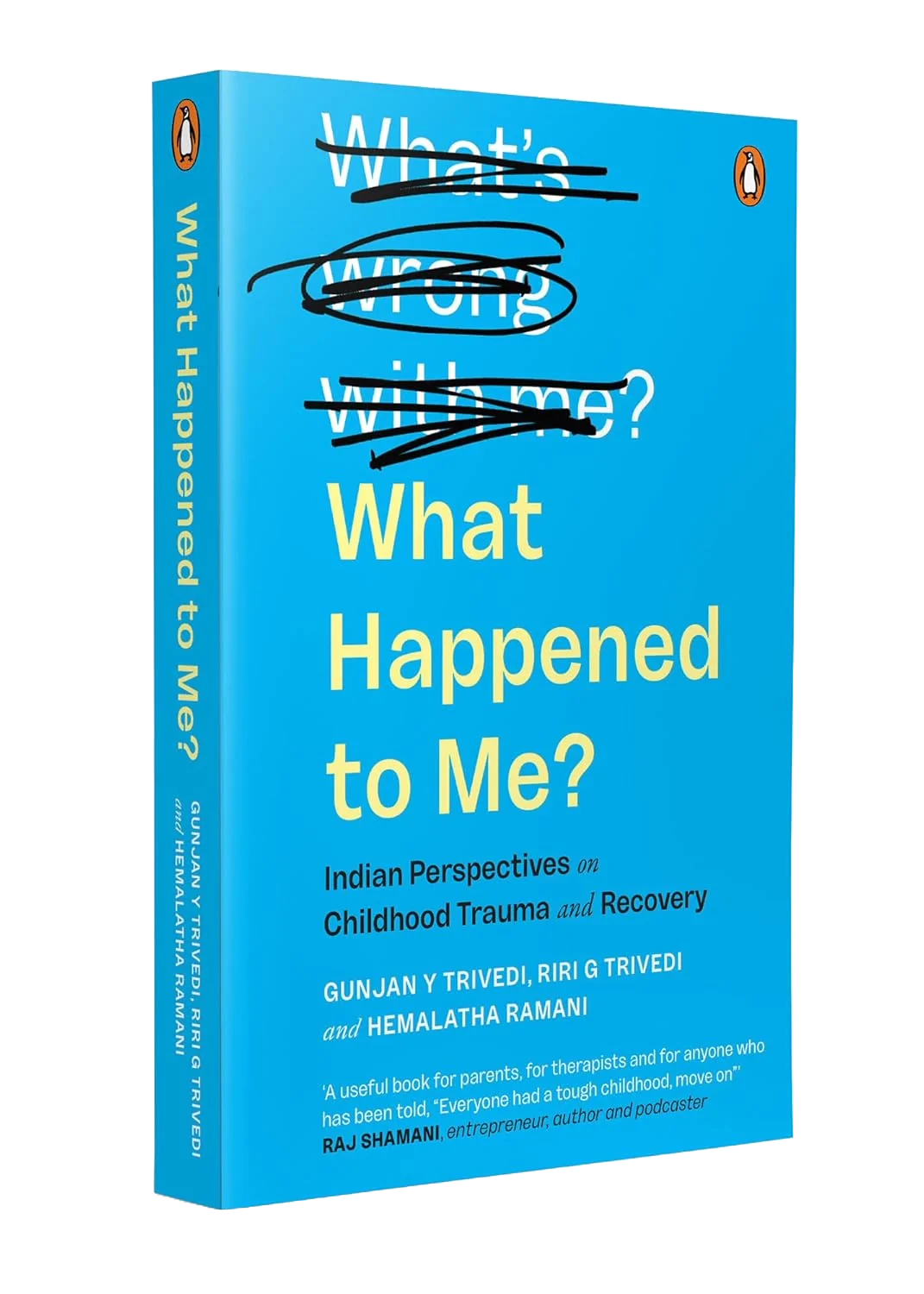
The book What Happened to Me? vs What’s Wrong with Me? — Indian Perspectives on Childhood Trauma and Recovery explores this question in greater depth, including childhood experiences that may be less visible but can leave what the authors describe as “hidden footprints” in adulthood.
Read more about What Happened to Me? vs What’s Wrong with Me?
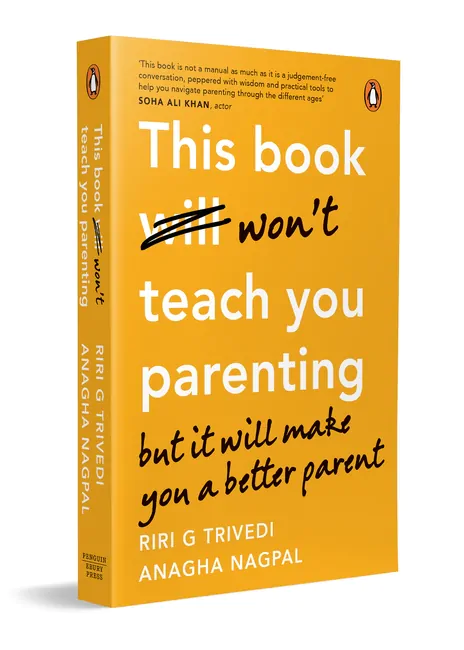
Our parenting book, This Book Won’t Teach You Parenting (Penguin Random House India), provides a comprehensive framework for becoming a better parent.
Frequently Asked Questions
Can childhood trauma affect adult behaviour?
Childhood experiences can be linked to later emotional, behavioural, and relationship patterns. However, no single pathway links a particular childhood experience to a particular adult outcome. Individual, relational and environmental factors all matter.
Does every difficult childhood cause trauma?
No. Childhood adversity does not affect everyone the same way. The episode specifically highlights the subjective nature of traumatic experiences.
Can emotional neglect affect a child even when the family provides everything materially?
Yes. Material provision and emotional connection are different dimensions of a child’s environment. A child can have their physical needs met while still experiencing emotional disconnection or a lack of emotional responsiveness.
Is positive parenting the same as permissive parenting?
No. Positive parenting should not be interpreted as allowing children unlimited freedom or removing boundaries. Emotional warmth and appropriate structure can coexist.
How can parents stop repeating their own childhood patterns?
The first step is awareness. Parents can become curious about which situations trigger strong reactions in them, how they learned to respond to emotions and what they want to do differently. Self-regulation and, where needed, professional support can help turn awareness into behavioural change.
Can I have childhood trauma even if I am successful?
Success does not rule out emotional difficulties, just as childhood adversity does not determine an individual’s future. Psychological wellbeing involves more than achievement or financial success.
What are ACEs and PCEs?
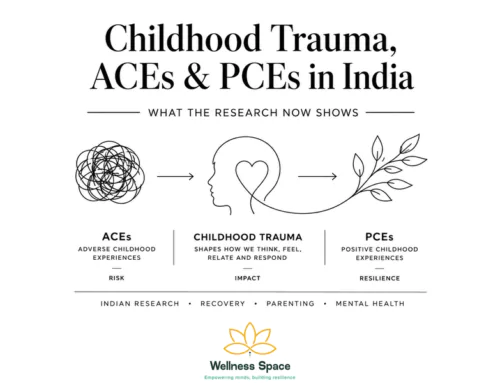
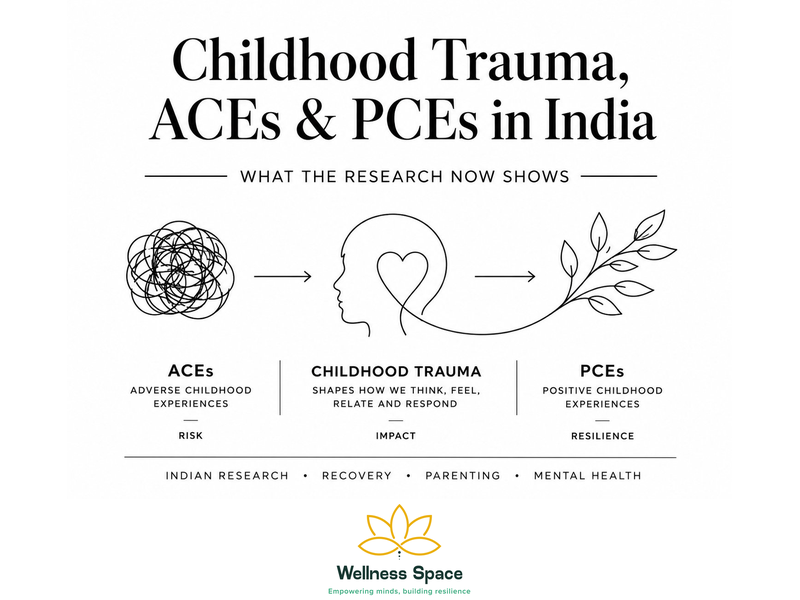
ACEs are adverse childhood experiences. PCEs, or Positive Childhood Experiences, refer to supportive and protective experiences during childhood. Considering both helps provide a broader picture of childhood development than focusing on adversity alone. These experiences profoundly affect a child’s long-term mental and physical health as they grow up. More details on both these experiences and implications are available here.
Does having a high ACE score mean I will develop a mental health disorder?
No. An ACE score is not a diagnosis and should not be treated as a prediction for an individual. It is one way of understanding exposure to childhood adversity and potential vulnerability within a broader assessment.