Why Emotionally Neglected Kids Struggle as Adults
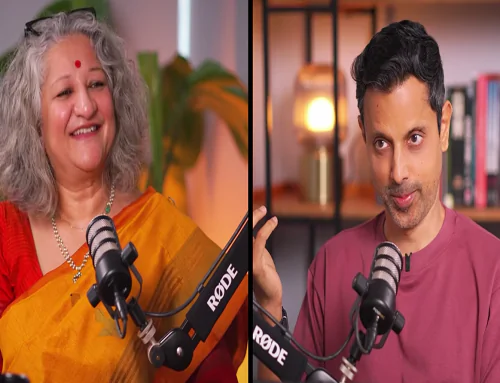
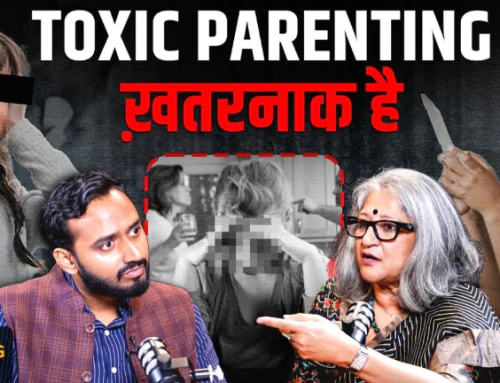
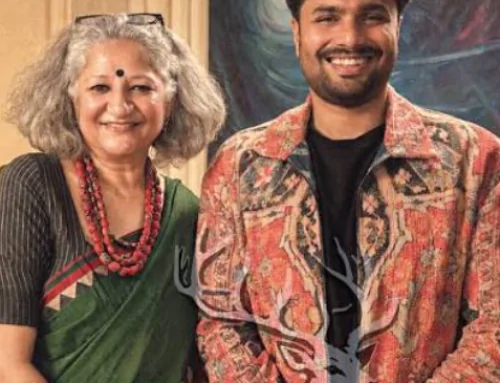
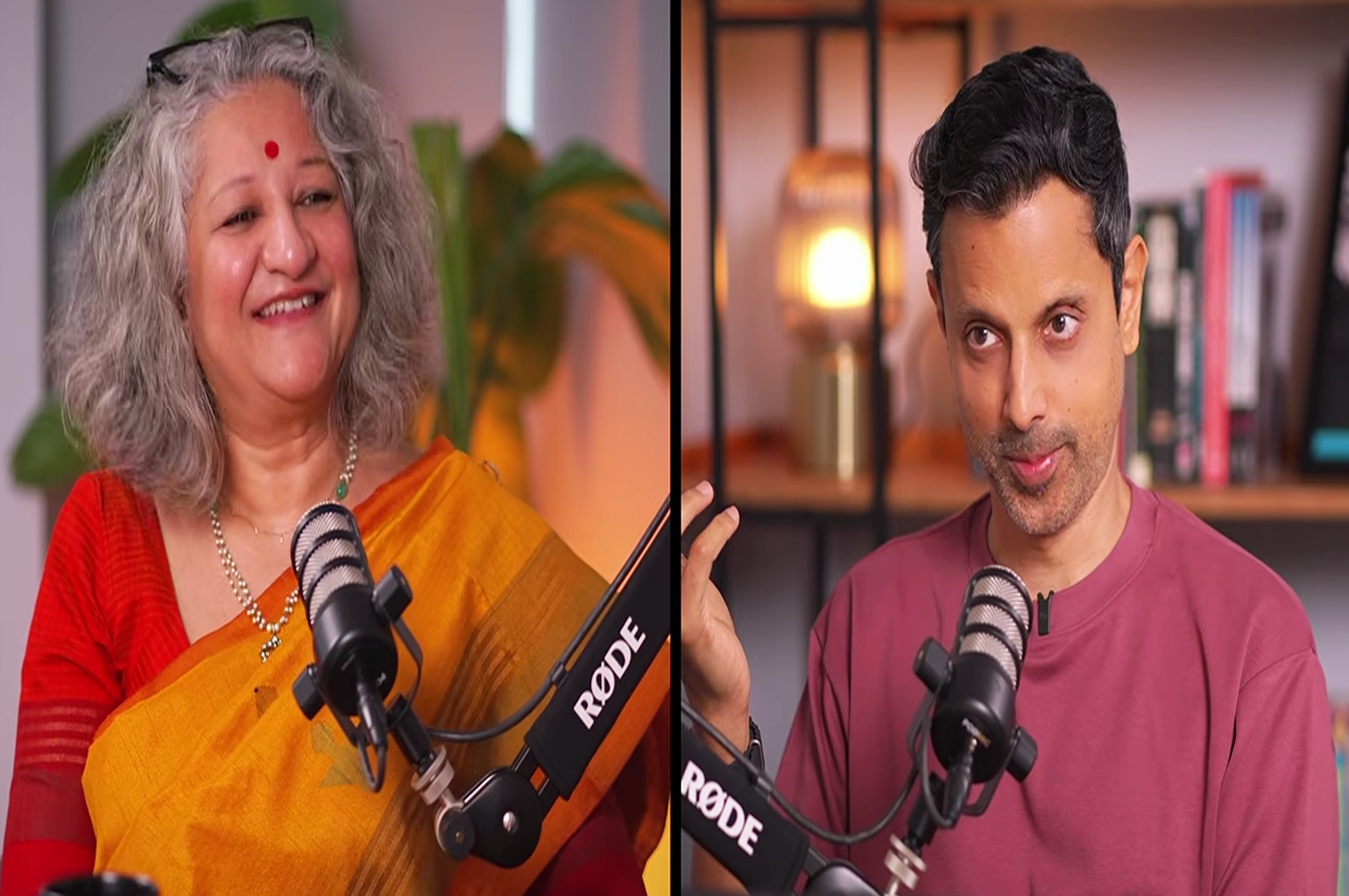
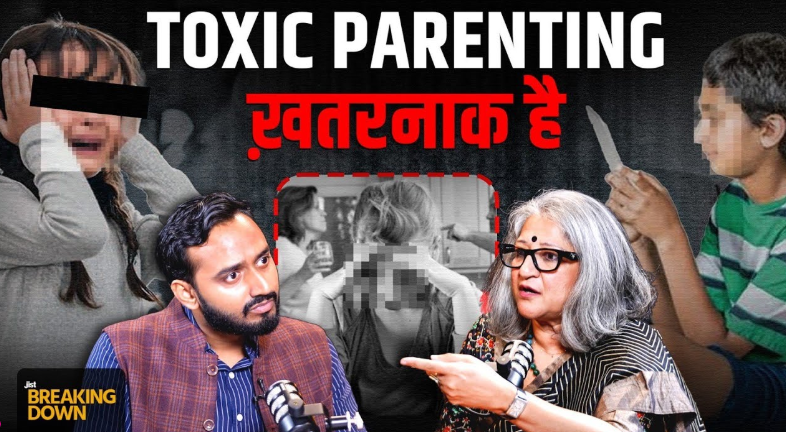
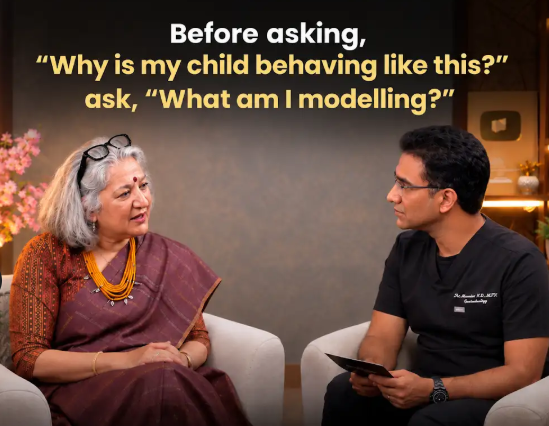
In this episode of Gut Feeling with Dr. Pal, host Dr. Pal Manickam starts a new conversation with psychotherapist, researcher and author Dr Riri G. Trivedi. Previous conversation looked at how childhood trauma shapes adult life. This time Dr. Pal asks why emotionally neglected kids struggle as adults, and what parents do today, often without meaning to, that leaves children feeling unseen. For definitions and Wellness Space’s own research, see our guide to childhood emotional neglect.
Listen on Apple Podcasts or Spotify.
In this episode
- In Riri’s view, being emotionally ignored can hurt a child more than being shouted at.
- Hyper-independence, over-apologising and workaholism can be ways of coping with childhood pain.
- Positive parenting isn’t permissive. Children need rules as well as connection.
- Children learn resilience by watching how the adults around them handle stress.
Shouting or silence: which hurts a child more?
Riri says she has no research to rank the two, but in her experience emotional neglect goes deeper. A child who is shouted at learns to tune it out. A child who is ignored learns something worse.
“Emotionally neglected means the child’s basic sense of self is damaged. I am not wanted, I am not important, I don’t matter.”
The silent treatment works the same way. Many of her adult clients describe a father who stopped speaking to them for a week after poor marks. The house looked calm, but the child spent that week anxious, guessing and blaming themselves. Stepping away to calm down is fine, Riri says, as long as you agree to come back and talk.
Four patterns Riri sees in adults who were emotionally neglected as kids
None of these proves trauma on its own, Riri notes, but each can be a learned way of coping.
- Hyper-independence (42:46). If reaching for a parent meant being pushed away, a child learns to rely on no one. Riri’s own parents praised her for sleeping alone as a baby and letting herself into an empty house at five. Only years later did she see the loneliness in it.
- Over-apologising (43:30). Saying sorry to keep the peace, even when you’ve done nothing wrong. If an apology leaves you resentful, it avoided the conflict rather than resolving it.
- Workaholism (37:29). “Workaholism is like an alcoholism,” Riri says; both numb feelings. Her book What Happened to Me? asks a simple question: what is the worst thing about not going to work every day?
- Men who never talk (02:03). About 70% of Riri’s clients are women. Boys are raised to manage alone, and grow into husbands and fathers who still don’t talk about what’s happening at home.
These come from one conversation; they aren’t a full checklist. For the wider picture, read what childhood emotional neglect looks like in adulthood, including what Wellness Space found when assessing adults with Complex PTSD symptoms: on average, they reported emotional neglect frequently to very frequently.
Why it matters
Riri points out that India’s share of suicides among young men aged 15 to 39 has grown from about one in five to one in four, and that suicide is now the biggest cause of death among young Indian women. She sees loneliness and depression as the main contributors, often linked to emotional neglect, emotional abuse and peer isolation..
Where it starts
Peer isolation (05:04). Some children feel they belong nowhere: the left-out child with low self-worth, or the teacher’s favourite resented by classmates. It happens in full houses too. Riri’s clients include people who grew up in joint families of 40 and still felt invisible. Quiet isn’t the same as lonely, though. An introverted child with two close friends can be doing fine.
Comparison and pressure (08:23). Parents who grew up feeling inadequate now measure their worth through their child’s ranks. Riri asks anxious mothers: whose exam is it? A child who scores 1 out of 20 and sees their mother’s distress learns shame, not the subject. Some of these children now have panic attacks at a young age.
When stress shows up in the gut
Dr. Pal describes a 16-year-old patient with ongoing digestive problems and panic attacks. Every test, including endoscopy and colonoscopy, came back normal, but the father insisted it was just teenage behaviour. Riri’s advice: teenagers are half child, half adult, so parents have to start the conversation, and tell them that recurring gut symptoms may be linked to stress.
Digestive symptoms always need a medical check first.
What emotional safety looks like at home
“The child’s safest place should be home.”
Riri is clear that safe doesn’t mean permissive. Children need structure, rules and healthy correction, with connection and no shaming. Three things get in the way:
- Phones (22:45). Dr. Pal calls absent parenting almost equal to abuse, and Riri agrees. A parent scrolling beside a child misses their cues. Half an hour without the phone, even just cooking or eating together, counts for more than a trip to the mall.
- Overprotection (24:46). Children raised on curated playdates often struggle with social anxiety later. Take them to family functions, even with difficult relatives, and let teenagers agree to stay for an hour.
- Correcting everything (18:29). Pick two things to work on, not ten. Push on all ten and children tune out.
With teenagers, the connection built before 14 is what brings them back after the turbulent years (16:52).
How children learn emotional resilience
Not from courses, Riri says, but by watching. Seeing a parent handle a bad day, or argue and then talk it through, teaches more than any video. She also urges parents to encourage hobbies outside studies (40:20). Children raised as “performance machines” are more prone to depression and loneliness later.
Breaking the cycle
Riri is open about her own mistakes. She sees an anxious attachment style in her daughter, who was left with a nanny while Riri worked, and a calmer son, with whom she stayed home. She told both children, sent both to therapy, and talks about it publicly.
She also asks parents to check whose need they are meeting (50:29). Riri built her career around having a hot snack ready after school, because no one did that for her; her children later said they never needed it. Dr. Pal admits to being a “hyper parent” because his own father wasn’t available. Riri’s suggestion: in quiet moments, give your younger self the presence you missed, and the pressure to overcompensate eases.
Frequently asked questions
What is childhood emotional neglect? It’s when a child’s emotional needs go unnoticed or unanswered, even if their physical needs are met. Our full guide to childhood emotional neglect covers what it is and what our research found.
Can emotional neglect happen in a loving family? Yes. Riri describes children who felt invisible in joint families of 40 people, and parents who were at home but always on their phones. Neglect is usually about what’s missing, not what’s done.
Is the silent treatment harmful to children? Riri considers it one of the most damaging patterns, because the child keeps guessing and blaming themselves. Taking time apart is fine if you agree to come back and talk.
Watch – How childhood trauma shapes adult life
In How childhood trauma shapes adult life, Riri and Dr. Pal discuss adverse childhood experiences, people-pleasing, and how childhood trauma can affect the body.
This article is based on a podcast conversation and is for awareness only. It is not a substitute for professional advice. If you or someone you know is struggling, call Tele-MANAS on 14416 (free, 24×7) or book a consultation here.
Read the book, or talk to us
For adults: What Happened to Me? vs What’s Wrong with Me? The book Riri refers to in this episode, written with Dr. Gunjan Y Trivedi and Dr. Hemalatha Ramani (Penguin, 2026). It looks at childhood adversity through an Indian lens, including emotional neglect, joint-family dynamics and constant comparison, and introduces the Pancha Kosha Trauma Framework. Two-thirds of it is about recovery. Read about the book · Buy on Amazon
For parents: This Book Won’t Teach You Parenting Riri’s book with parent coach Anagha Nagpal, on raising emotionally secure children without repeating your own patterns. Read about the book
Talk to a therapist If parts of this conversation felt familiar, you don’t have to work through it alone. Wellness Space offers individual therapy for adults whose struggles trace back to childhood, including Inner Child Therapy. After a first consultation, the team recommends the approach that fits you. See how therapy works.
Not ready to talk yet? Take the free ACE quiz to see how your childhood experiences may still be shaping you.