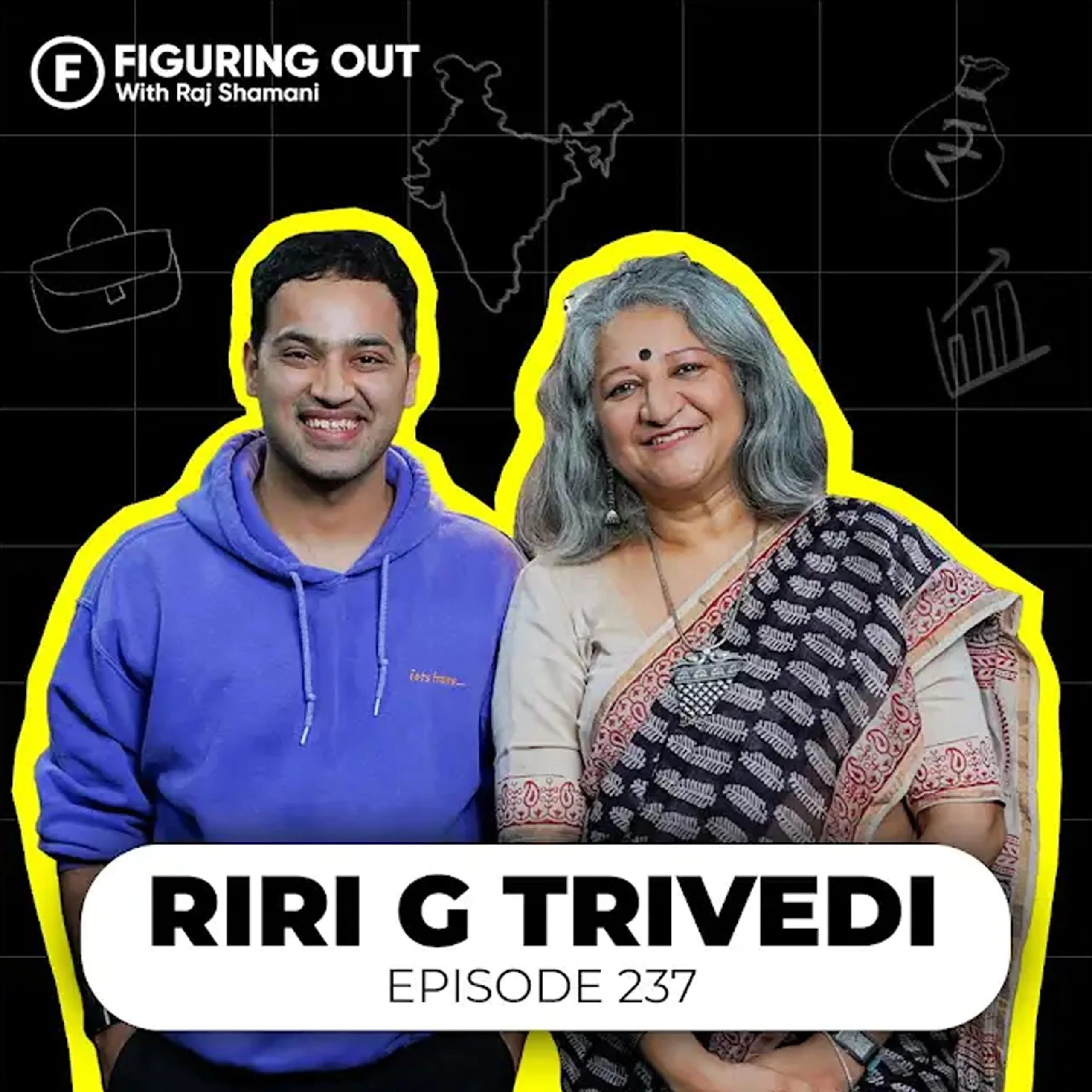

Childhood Trauma, Toxic Parents and Emotional Neglect: Dr Riri G. Trivedi on the Raj Shamani Podcast
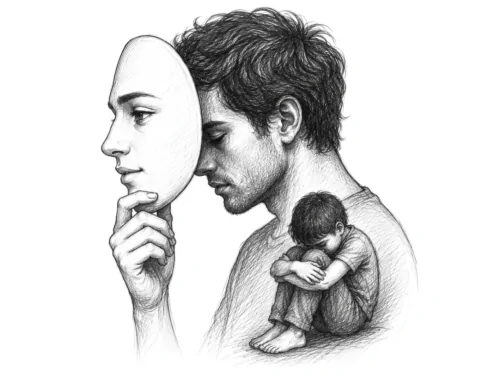
Childhood emotional neglect is not a milder form of abuse. In this conversation with Raj Shamani, Dr Riri G Trivedi explains why the things that leave the deepest marks are often the things nobody around you would call harmful — the nagging, the withheld affection, the constant comparison, the silence — and why so many adults reach their thirties carrying symptoms they cannot trace to any single event.
Below is the full episode, the research behind each claim, and what the findings mean if any of it sounds like your own childhood.
How emotional neglect and abuse shape the brain
→ Watch this section · 16:49
Dr Trivedi’s position — that emotional neglect and emotional abuse are among the largest contributors to suicidal behaviour — is not a clinical impression. It comes from more than 3,000 ACE assessments at Wellness Space and the Society for Energy and Emotions, and from her doctoral research into adverse childhood experiences, anxiety, depression and subjective well-being among Indian adults.
What makes it uncomfortable is the implication. Most Indian families would not describe themselves as abusive, and most are not. But criticism used as motivation, affection that arrives conditionally, and comparison as a parenting instrument are close to universal here — and a developing nervous system registers them the same way regardless of intent.
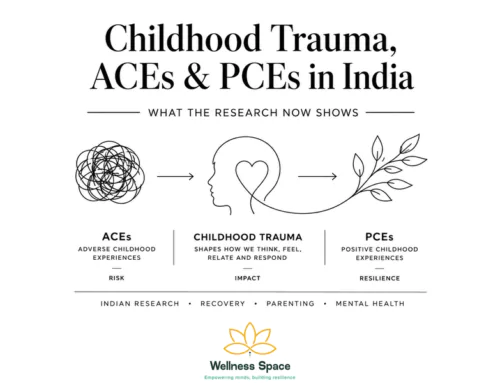
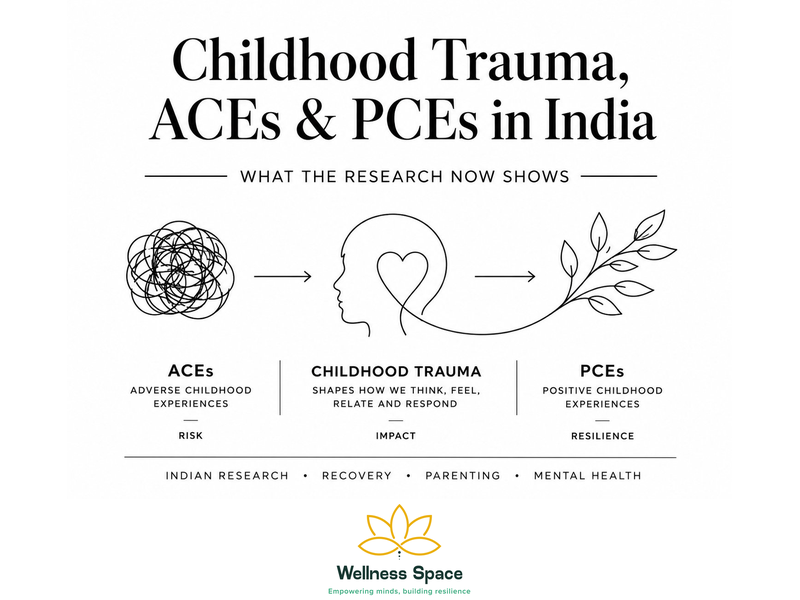
→ Childhood Trauma, ACEs and PCEs in India: What the Research Shows
Important note: If you’re struggling right now, Tele-MANAS is free and available 24/7 on 14416, in English and 20 Indian languages.
Three things families do that shape who a child marries
→ Watch this section · 01:30
Why the first three years matter more than we credit
→ Watch this section · 04:53
Before a child has language for what is happening, they have already formed a working model of whether the world is safe and whether they are worth attending to. Not destiny — but the floor everything else is built on.
Toxic shame and healthy shame are not the same thing
→ Watch this section · 19:14
Healthy shame says I did something wrong. Toxic shame says there is something wrong with me. One is correctable. The other becomes identity.
Codependency and abandonment
→ Codependency: 27:04 · Abandonment: 32:25
Why many men never seek therapy
→ Watch this section · 1:16:04
What actually helps — techniques to heal from trauma
→ Watch this section · 1:00:36
→ Psychiatrist vs psychologist (55:20)
The research finding she calls most astounding
→ Watch this section · 1:03:24
→ Wellness Research on Childhood Trauma
When chronic stress becomes physical
→ Psychoneuroimmunology, 1:35:43
Sustained activation of the stress response is associated with elevated risk across autoimmune and inflammatory conditions. The body keeps its own record even when the mind has moved on.
What healthy relationships have in common
→ Watch this section · 1:22:31 Also: Importance of space, 1:27:24
Realistic expectations, trust, honest communication, shared purpose, and enough room to stay separate people. Couples missing these usually reproduce what they saw, not choose badly.
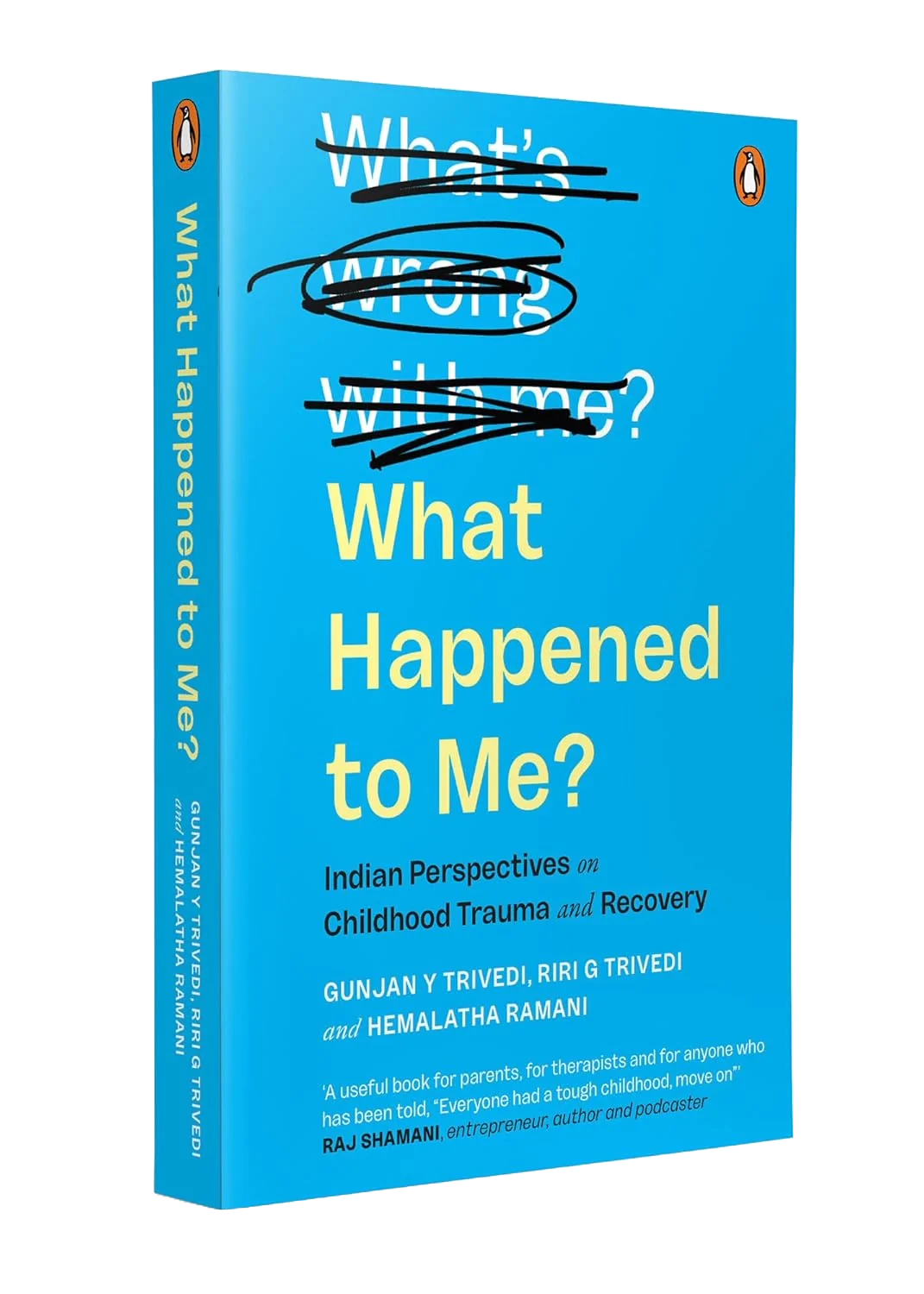 From the conversation to the book
The themes in this episode became What Happened to Me?, co-authored with Gunjan Y Trivedi and Hemalatha Ramani, drawing on more than 3,000 ACE assessments and over a decade of clinical practice.
“A useful book for parents, for therapists, and for anyone who has been told, “everyone had a tough childhood, move on”
Raj Shamani, entrepreneur and host of Figuring Out
Dr Riri G Trivedi
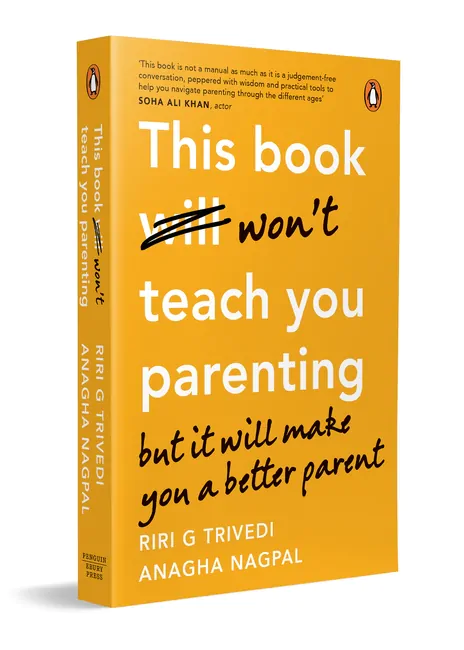
Co-founder of Wellness Space and the Society for Energy and Emotions. PhD in adverse childhood experiences, anxiety, depression and subjective well-being among Indian adults. Author of This Book Won’t Teach You Parenting (Penguin Random House India) and co-author of What Happened to Me? vs What’s Wrong with Me?: Indian Perspectives on Childhood Trauma and Recovery. Her research on ACEs and mental health in Indian populations is published in peer-reviewed journals and indexed on PubMed and Google Scholar.