Learning Relationship Dialogue for Grief Therapy
An evidence-based, peer-reviewed approach to unresolved grief, prolonged loss, and emotional closure. Practised at Wellness Space, Ahmedabad.
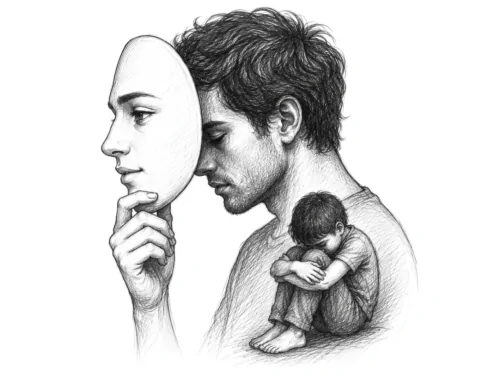
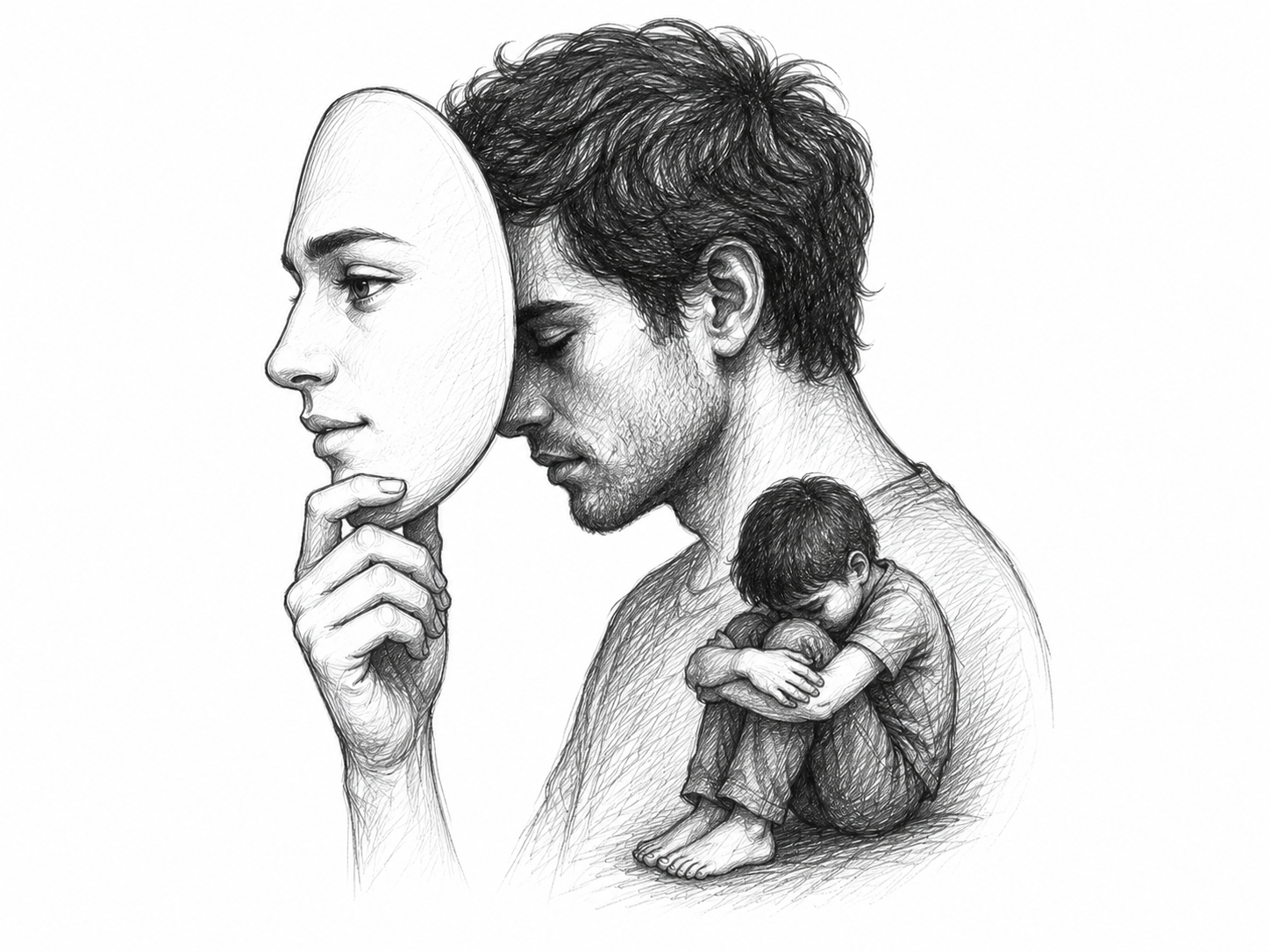
Grief doesn’t follow a timeline. Some losses surface ten, twenty, even thirty years later — triggered by a photograph, a date, a song. In Indian families, grief often gets buried under cultural expectations to “stay strong,” “move on,” or “let them rest in peace.” Emotions go unexpressed. Words go unsaid. And the body carries the weight.
If you’ve lost someone, a parent, a partner, a child, a sibling, a friend, a pet, and the emotional pain still surfaces in ways that surprise you, you’re not alone. Unresolved grief is one of the most common, least-treated forms of suffering in India.
There is a way through. And it’s been clinically studied.
Relationship Dialogue is among the few grief therapy approaches studied in an Indian cultural context and published in a peer-reviewed journal.
What is Relationship Dialogue?
Relationship Dialogue is an evidence-based psychotherapy protocol developed at Wellness Space for resolving grief, processing unexpressed emotions, and achieving emotional closure with someone who is no longer present — whether through death, separation, estrangement, or the loss of a relationship that mattered.
Unlike traditional grief counselling that primarily uses talk and meaning-making, Relationship Dialogue combines three clinical tools:
- Regression — guided access to specific memories with the lost person, in a safe therapeutic trance state.
- Somatic release — allowing the body to process and discharge emotions (sadness, anger, regret, guilt) that were never expressed at the time.
- Cognitive reframing and post-hypnotic suggestion — anchoring a new emotional response and behaviour so that you can move forward without the recurring emotional weight.
This integrated approach is sometimes referred to as the Release Reframe Toolkit. It draws on principles shared with drama therapy, psychodrama, and gestalt work, but adapts them for Indian cultural contexts where direct emotional expression is often discouraged.
Who Is This For?
Relationship Dialogue is appropriate if you are:
- Carrying grief from a loss that happened months, years, or decades ago, and still find yourself triggered by reminders
- Struggling with regret, guilt, or anger toward someone who has died
- Grieving a loss that others didn’t fully acknowledge — a pet, a miscarriage, an estranged family member, an unborn child
- Experiencing prolonged grief disorder symptoms — longing, preoccupation, functional impairment beyond six months
- Caught in fear of dying or fear of losing others because of past unresolved loss
- Wanting closure with someone you can no longer speak to in person
For Mental Health Professionals
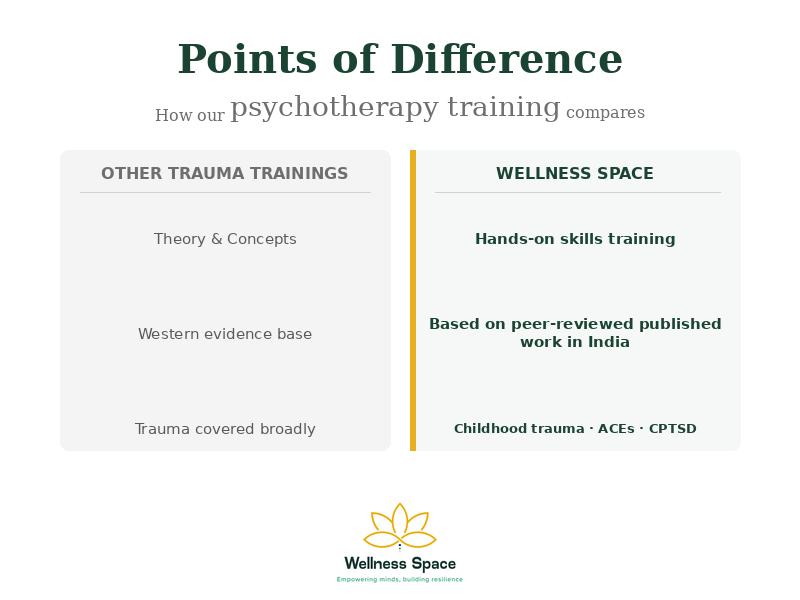
Relationship Dialogue is also one of the structured clinical interventions taught in Module 2 – Hypnotherapy Training as part of the Evidence-based Psychotherapy Program at Wellness Space. Participants learn how to assess grief, facilitate therapeutic dialogue, integrate regression safely, process unresolved emotions, and apply the technique ethically within trauma-informed psychotherapy.
Learn more about Module 2 – Evidence-Based Hypnotherapy Training in India
 What the Research Shows
In our peer-reviewed study published in The International Journal of Regression Therapy (Issue 35, 2025), we evaluated 54 grief-focused sessions across 50 unique participants. The findings show that:
- SUDS (Subjective Units of Distress) scores dropped from an average of 9.0 pre-session to 1.7 immediately after the session — a statistically significant reduction (p < .05).
- At the 4-6 week follow-up, scores dropped further to 0.9 — meaning the change held over time and continued to improve.
- 46% of participants had been carrying their grief for more than 6 years, and over a third for more than 11 years. The intervention worked regardless of how long ago the loss occurred.
- The protocol was effective across diverse loss types — parents, partners, children, pets, miscarriages, and estranged relationships.
This is one of the few clinical studies on grief therapy specifically conducted in an Indian cultural context, where emotional suppression during grief is common and where existing global frameworks may not fully apply. The findings from this study directly inform the clinical teaching of Relationship Dialogue within Module 2 – Hypnotherapy of the Wellness Space Evidence-Based Psychotherapy Training Program.
How Relationship Dialogue Works
A Relationship Dialogue session typically lasts 60-90 minutes and follows a structured format:
- Identifying the relationship and the emotion: You and your therapist clarify the relationship loss being addressed and the dominant emotion (grief, guilt, anger, regret, longing). If multiple emotions are present, the one with the highest distress(SUDS) is addressed first.
- Pre-session SUDS measurement: You rate your current emotional distress on a 0-10 scale. This becomes the baseline.
- Light trance and visualisation: Your therapist guides you into a relaxed, focused state and helps you visualise the lost person in a safe space — as they were, or as you wish to encounter them.
- Expression and release: You’re encouraged to say everything that was never said — the anger, the love, the unfinished conversations, the apologies, the goodbyes. The body releases what was never allowed to be expressed.
- Reframing and anchoring: A new emotional response is anchored. The therapist installs a post-hypnotic suggestion so that future reminders of the lost person evoke peace rather than pain.
- Future-pacing: You visualise moving forward in life with this new emotional baseline, accepting the loss.
- Post-session and follow-up SUDS: You rate your distress again immediately and at one-month follow-up to track the durability of change.
Grief in the Indian Cultural Context
In Indian families, grief is often shaped by silence. Cultural and religious frameworks emphasise acceptance, moving on, family harmony, and not “disturbing the departed soul.” These traditions hold real wisdom — but they can also leave individuals carrying decades of unprocessed emotion.
Relationship Dialogue does not contradict these frameworks. It works alongside them — providing a private, structured space where the unspoken can finally be expressed, without judgement, without burdening family, and without disrespecting the cultural container. Many of our clients describe it as “the conversation I never got to have.”
Relationship Dialogue in Hypnotherapy Training
Relationship Dialogue is one of the structured grief interventions taught within Module 2 (Hypnotherapy Training in India) of the Evidence-based Psychotherapy Program at Wellness Space. Participants learn not only the protocol itself but also the clinical reasoning behind its use, including assessment of unresolved grief, therapeutic regression, emotional processing, somatic release, cognitive reframing, post-hypnotic suggestion, contraindications, and ethical considerations.
The emphasis is on understanding when, why, and how to integrate Relationship Dialogue into clinical practice, rather than simply following a scripted intervention.Explore Module 2 – Evidence-Based Hypnotherapy Training in India →
FAQs (Grief and Relationship Dialogue in Hypnotherapy)
Is this the same as grief counselling?
Grief counselling primarily uses talk therapy to help you process loss through meaning-making and emotional acknowledgement. Relationship Dialogue includes those elements but adds two layers: body-based release of unprocessed emotion through guided regression, and cognitive anchoring through post-hypnotic suggestion. It’s designed for grief that hasn’t moved through traditional counselling alone.
How long does it take?
Most participants experience a significant reduction in distress within a single 60 session. Some losses require additional sessions, particularly when multiple relationships or complex trauma are involved. Our research shows changes are typically maintained at one-month follow-up without additional intervention.
Is it safe for traumatic loss — suicide, accident, sudden death?
Yes, with appropriate clinical care. Our therapists are trained in trauma-informed practice, and the protocol is specifically designed to handle sudden, traumatic, or violent loss. Cases of recent loss (within the first 30 days), recent hospitalisation, or active suicidal ideation are screened during consultation and may be referred elsewhere as appropriate.
Can it work for a loss that happened decades ago?
Yes. In our published study, nearly half of the participants had been carrying their grief for more than 6 years, and over a third for more than 11 years. The intervention was effective regardless of how long the loss had been unresolved — in some cases, the longer the grief remained unresolved, the more dramatic the relief.
Does this involve past-life regression?
No. Relationship Dialogue uses current-life regression only — accessing memories from this lifetime with the person who was lost. Past-life regression is a separate practice offered at Wellness Space, but is not part of this specific protocol.
Is Relationship Dialogue taught in hypnotherapy training?
Yes. Relationship Dialogue is one of the structured grief therapy protocols taught in Module 2 – Hypnotherapy of the Wellness Space Evidence-Based Psychotherapy Training Programme. Participants learn the theoretical foundations of the protocol, clinical assessment, therapeutic regression, emotional processing, post-hypnotic suggestion, and ethical, trauma-informed application under professional supervision.
Learn more about Module 2 – Evidence-Based Hypnotherapy Training in India