
10 Personality Issues That Are Actually Childhood Traumas
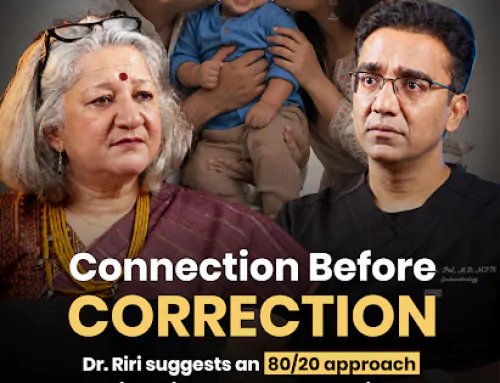
Dr Riri G Trivedi on The Prakhar Gupta Xperience (PGX #215)
Can’t say no? Never ask for help? Snap at your kids and hate yourself for it? These often aren’t personality flaws. They’re survival strategies: smart adaptations a younger you made to stay safe and loved.
In this two-hour conversation, psychotherapist and author Dr Riri G Trivedi explains how childhood experiences, including ones we’d never call “trauma”, shape how we love, work and parent as adults. Use this page to jump to the parts that matter to you.
This page is educational, not a diagnosis.
Topic | What’s discussed |
Trailer | A quick preview of the key themes and moments from the conversation. |
Mental Health Isn’t Just Rich People’s Problem | Why mental health affects everyone, and the myth that therapy is a luxury. |
Why Everyone Feels So Lonely | Why loneliness is so widespread today and how it links back to early emotional experiences. |
What Actually Counts As Trauma? | What trauma really means, beyond abuse or one big event. |
The Father Who Terrified Her | A story of growing up with a frightening father, and the fear that stays long after childhood. |
The Wound Nobody Can See | The invisible emotional wounds that leave no marks but still shape adult life. |
How Boys Become Performance Machines | How boys are raised to measure their worth through marks, achievement and earning. |
Why Men Hide Things From Wives | Why do many men keep their struggles to themselves, even from their partners? |
Can Good Parents Cause Trauma? | How loving, well-meaning parents can still leave emotional wounds. |
When Protection Goes Too Far | How overprotective parenting can create fear and self-doubt in children. |
The People-Pleasing Trap | Where the need to keep everyone happy comes from, and what it costs you. |
What Is A Performative Male? | The pressure on men to perform strength and success instead of being themselves. |
When Talking Doesn’t Heal Trauma | Why talking about trauma isn’t always enough, and what else healing may need. |
When Friends Turn Against You | The lasting impact of betrayal and rejection by friends. |
The Haircut That Shamed His Son | How a single moment of shaming by a parent can stay with a child for years. |
Does Bullying Leave Lasting Scars? | How bullying at school can shape self-worth well into adulthood. |
Rewiring Fear Inside Your Body | How fear is held in the body, and how it can be worked through. |
The Secret Behind Phobia Treatment | How phobias develop and what actually helps in treating them. |
The Man Who Feared Flying | A case story of working through an intense fear of flying. |
Why People Ruin Their Happiness | Why do some people sabotage the good things in their lives? |
The Self-Harm Nobody Talks About | The less visible forms of self-harm that often go unrecognised. |
Her Toughest Parenting Decision | A personal reflection on one of the hardest decisions in parenting. |
Her Battle With Perfectionism | A personal account of struggling with, and working through, perfectionism. |
Why Trusting People Feels Impossible | Where trust issues come from and why they are so hard to shake. |
When Hitting Kids Becomes Automatic | Why parents sometimes hit on reflex, and how the pattern passes down generations. |
The Cost Of Being Too Independent | The hidden downside of never relying on anyone. |
Why Men Hide Their Feelings | How men learn to suppress their emotions from childhood. |
The Boy Who Never Saw Dad Cry | How a father’s emotional silence shapes a son’s relationship with his own feelings. |
Why Men Never Ask For Help | Why men resist seeking help, even when they are struggling. |
The Hidden Wife-Mother Conflict | The tension between a man’s wife and mother, and the role he plays in it. |
How Childhood Becomes Personality
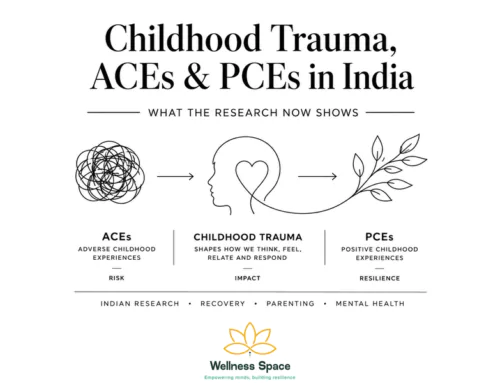
Trauma isn’t only abuse or a single terrible event. It’s also the quieter, repeated experiences: being shouted at, compared to cousins, mocked in front of relatives, or loved only when you topped the class. It includes childhood emotional neglect: the comfort that never came and the feelings no one asked about.
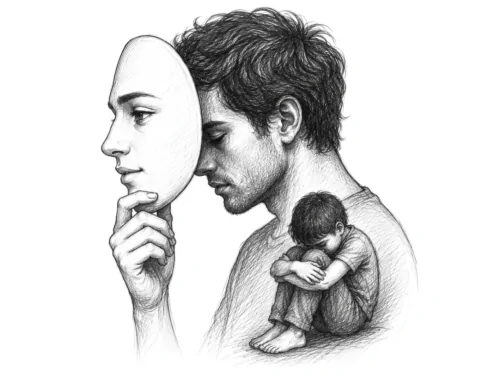
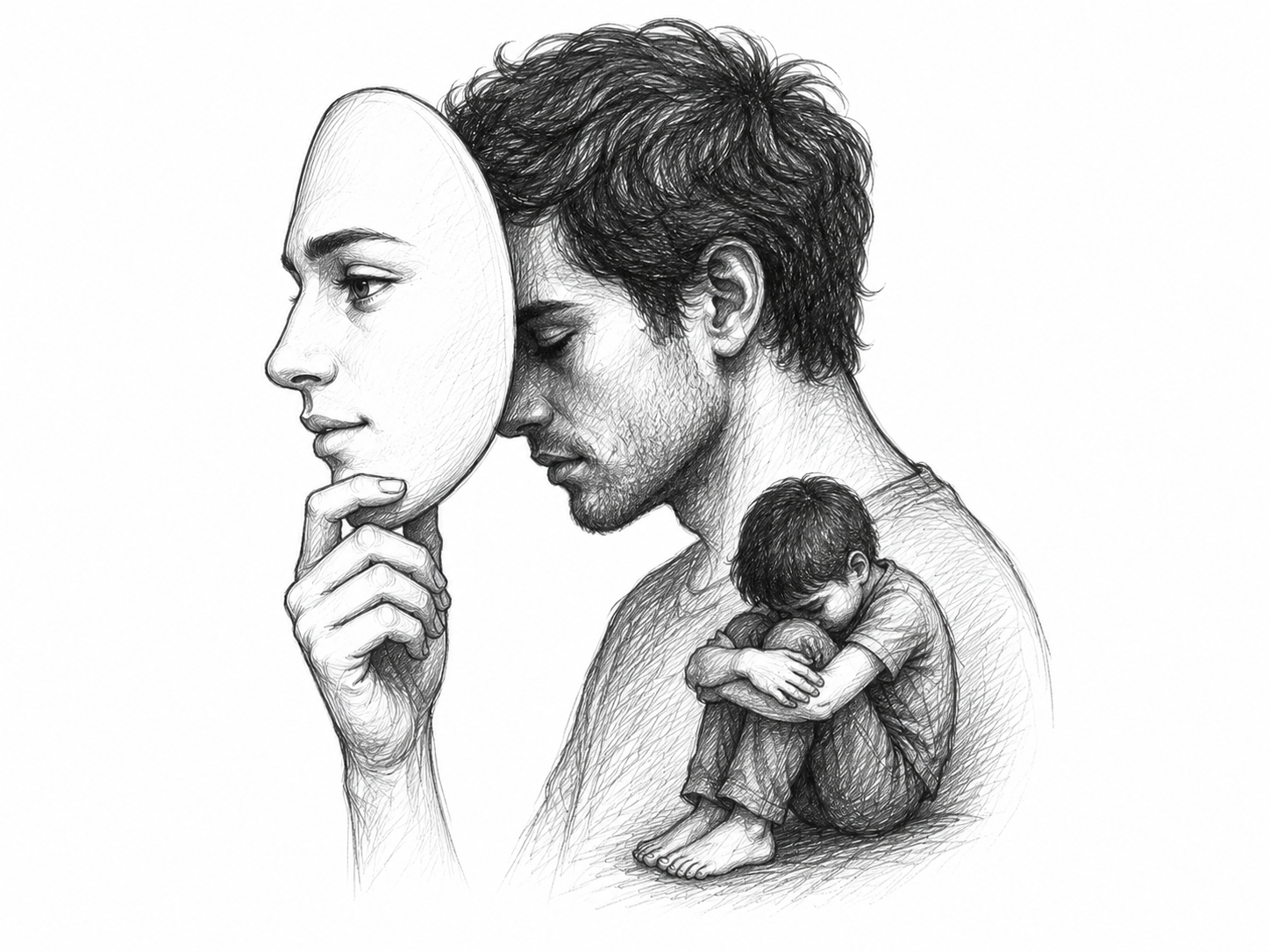
Children can’t change their parents, so they change themselves. The child of an angry father learns to keep everyone calm. The child praised only for marks learns to perform. The child laughed because crying stops crying. These strategies worked at the time. With repetition, they stop feeling like choices and start feeling like who you are.
That’s why understanding alone rarely fixes them. The patterns live in the body and nervous system, not just the thinking mind. But awareness is where change begins: the shift from “What’s wrong with me?” to “What happened to me?”
The 10 Personality Issues
You say yes automatically and feel anxious when anyone is upset with you. It often starts with an unpredictable parent, where keeping the peace meant staying safe, or with being praised for being the samajhdaar child. As an adult you struggle with boundaries, feel resentful, and often feel lonely. First step: before saying yes, try “Let me get back to you.”
You feel worthy only when you’re achieving, and rest feels like laziness. Boys especially are raised as “performance machines”, valued for marks, ranks and earning. First step: schedule time that produces nothing, and notice how you talk to yourself on unproductive days.
“Only 95? Where did the other 5 go?” When mistakes brought criticism or shame, being flawless became protection. Today it shows up as procrastination, burnout and a harsh inner critic. First step: do one low-risk task at 80% and see what happens.
“Boys don’t cry.” Many men never saw their fathers cry, so they learned to hide feelings, even from their wives. This can leave partners feeling shut out and make the wife-mother conflict (1:59:50) harder to handle. First step: a few times a day, ask yourself what you’re feeling and where you feel it in your body.
You’d rather struggle alone than ask for help. When reaching out as a child was met with irritation or absence, self-reliance felt safer. It looks like strength but is often lonely and exhausting. First step: accept one offer of help this week without refusing it.
You expect betrayal, even from reliable people. Trust never had a stable base when caregivers were unpredictable, and bullying or betrayal by friends can deepen the wound. First step: notice who has been consistent in your life, and let that evidence count.
A body raised around fear, or around constant overprotective warnings, stays on high alert. The result can be worry, a strong startle response, or phobias that logic can’t shift. First step: use body-based calming, such as slow breaths with longer exhales. Trauma-informed therapy helps here.
Public humiliation, like being mocked in front of others or bullied at school, can leave a lasting sense that I am the problem. First step: separate “I made a mistake” from “I am a mistake.” Inner child healing can help.
When chaos felt normal growing up, calm and happiness can feel unsafe, so you ruin good things before they can be taken away. First step: notice what happens right before the urge to pull back. It’s usually a moment of closeness or success.
If you are hurting yourself or thinking about it, please reach out. In India, call Tele-MANAS on 14416 (free, 24/7). In an emergency, call 112. [Verify before publishing.]
You promised you’d never shout or hit like your parents, and then it happens automatically. Under stress, we fall back on our earliest templates. First step: learn your warning signs, pause, and repair afterwards (“I’m sorry I shouted”).
Go Deeper: What Happened to Me? vs What’s Wrong with Me?
This episode’s core idea, that adult struggles begin as childhood adaptations, is what Dr Riri explores in What Happened to Me? vs What’s Wrong with Me?
The book helps you move from shame to understanding, identify your own patterns, and heal without blaming anyone. It covers perfectionism, people-pleasing, male emotional suppression, fear responses, trust, and intergenerational patterns, all through an Indian lens.
Breaking the Cycle as a Parent
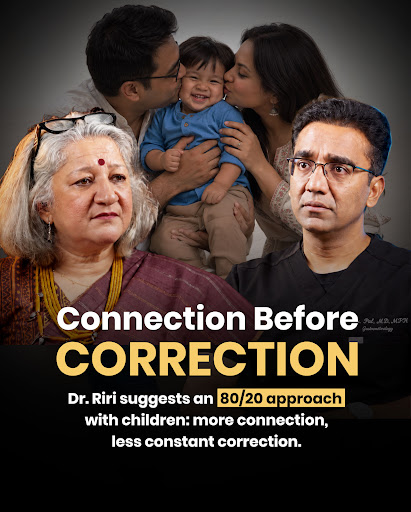
Unhealed patterns often show up in how we parent: the raised voice, the automatic slap, the pressure to perform. Conscious parenting starts with understanding yourself. Dr Riri’s This Book Won’t Teach You Parenting explores these parenting patterns and how to break them while still holding boundaries.
Parenting starts with understanding yourself.
If you find yourself reacting in ways you don’t want to, struggling with your child’s emotions or repeating patterns from your own childhood, professional guidance can help you pause, understand what is happening and find a different way forward.
Book a parental consultation with Wellness Space.
Continue Exploring
Childhood emotional neglect · Complex PTSD · Inner child healing · Loneliness and childhood trauma