This category captures the publications (Scientific and evidence based) developed by Society for Energy & Emotions (SEE) or by cofounders of SEE & Wellness Space
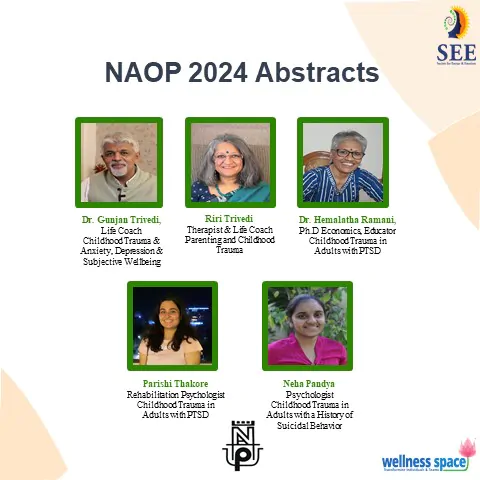
NAOP24-Presentation on “resilience & depression”, “childhood trauma & suicide behavior”

The following two abstracts will be presented (The Role of Resilience in moderating depression, Childhood Trauma & suicide behaviour) at the NAOP national convention in Vishakhapatnam on Feb. 15, 2024).   Abstract ID NAOPABST000312: The pivotal role of resilience and perceived social support in moderating depression: A structural equation modelling approach Presenter: Dr Gunjan Y Trivedi Co-Presenter: Neha Pandya, Parishi Thakore, Dr Hemalatha Ramani Background: Resilience is the capacity to adjust, recover from hardship, stress, or challenging life experiences, and move on and prosper. It entails using sensible coping strategies, preserving well-being, and even becoming more resilient in facing difficulties.

NAOP24-Presentation on “resilience & depression”, “childhood trauma & suicide behavior”2024-02-08T10:47:05+05:30

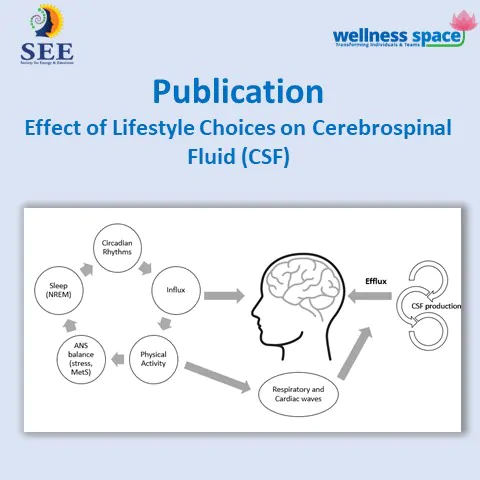
Effect of lifestyle choices on Cerebrospinal Fluid (CSF) pulsations Journal of Applied Consciousness Studies

Abstract: CSF flow plays a critical role in clearing metabolic waste from the brain. The flow depends on several factors, including cardiac and respiratory oscillations. The process of CSF pulsations also follows a circadian pattern and plays a central role in maintaining the homeostasis of the Brain and the Central Nervous System (CNS). Any disruption to this flow triggers a homeostatic imbalance in the central nervous system and could increase the risk of several chronic conditions, including Alzheimer’s. This commentary highlights recent research to articulate the importance of CSF flow and provides insights into the drivers of the CSF flow.

Effect of lifestyle choices on Cerebrospinal Fluid (CSF) pulsations Journal of Applied Consciousness Studies2025-05-21T13:01:47+05:30

Childhood trauma research in India at Wellness Space (Update: Jun ’25)

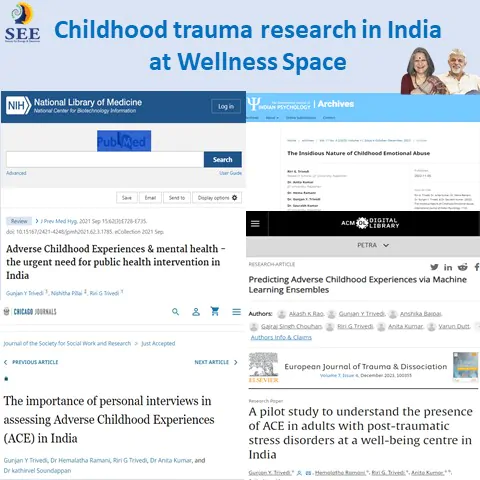
Childhood trauma research, coaching and training at Wellness Space, Ahmedabad, India At Wellness Space, over the past several years, we have worked on understanding the root causes that lead to internalizing and externalizing symptoms.  One of the core issues or root causes is exposure to repeated trauma of high intensity during childhood.  Despite the extensive global evidence, there is limited childhood trauma research in India.  Hence, we decided to pursue it.  At the moment, we have extensive published evidence supporting the role of childhood trauma as a significant risk factor in several internalizing issues (Such as depression and anxiety, insomnia,

Childhood trauma research in India at Wellness Space (Update: Jun ’25)2026-05-01T16:18:21+05:30

Effect of Lifestyle Choices on Cerebrospinal Fluid Pulsations

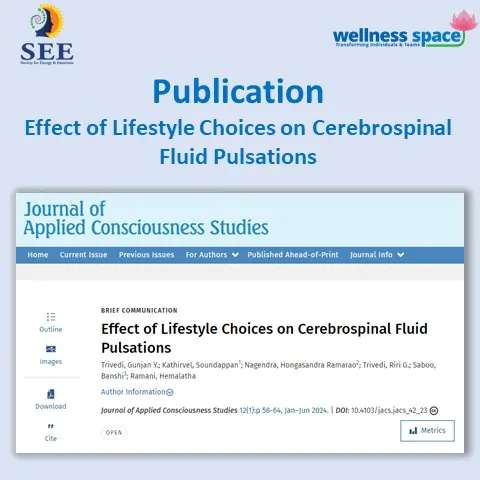
Our recent publication highlights the Effect of Lifestyle Choices on Cerebrospinal Fluid Pulsations. This research extends our work linking lifestyle choices with (a) chronic disease risk, (b) immune system imbalance risk, and (c) mental health issues-related risk.   The article highlights the importance of enhancing autonomic function through slow breathing (for example, research we have done on Bhramari and self-hypnosis gets additional backing through the findings of this review article). Several examples of the role of circadian rhythms and the need to align our lives to that rhythm are also provided. Abstract: Cerebrospinal fluid (CSF) flow plays a critical role in

Effect of Lifestyle Choices on Cerebrospinal Fluid Pulsations2025-05-21T15:08:55+05:30

Conference presentation: ACE and suicide behavior at NAOP

The below abstract was presented as part of the symposium at NAOP 2023 in Ahmedabad. Abstract # 4: A pilot study to understand the presence of adverse childhood experiences (childhood trauma) in adults with a history of suicide attempts at a well-being center in India Presenter: Neha Pandya Other contributors: Gunjan Y Trivedi, Hemalatha Ramani, Riri G Trivedi Abstract: Background: Suicide is India’s leading cause of death among adolescents and young adults. Evidence has highlighted the link between adverse childhood experiences (ACE) and suicidal behavior. The study attempts to understand the presence of ACEs among individuals with a history of

Conference presentation: ACE and suicide behavior at NAOP2025-05-21T12:59:07+05:30
Go to Top