Health consequences of anger issues and the need for psychotherapy

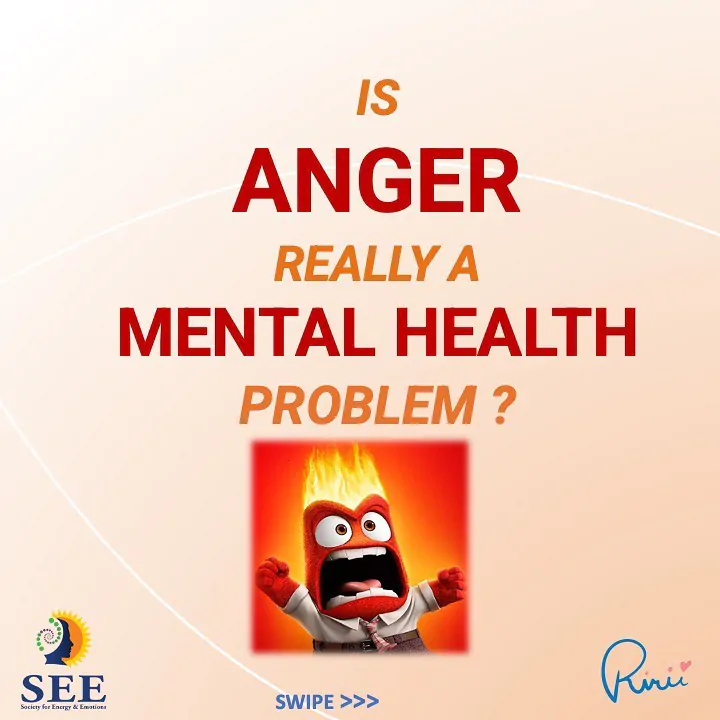
Health consequences of anger issues and the need for psychotherapy Compared to sadness, anger increases the risk for chronic disease in adults and this is validated by research.  Anger contributes to chronic inflammation and while the inflammation helps in the short term, the long term low-grade inflammation increases the risk for chronic disease with ageing [1]. Insights on how anger impacts the mind and the body: "Anger also causes the release of the stress hormone, cortisol. The release of this hormone gives the body bursts of energy. However, too much of this hormone can cause a multitude of
Health consequences of anger issues and the need for psychotherapy2026-08-25T12:10:29+05:30

Attention-Deficit / Hyperactivity Disorder (ADHD) and Adverse Childhood Experiences

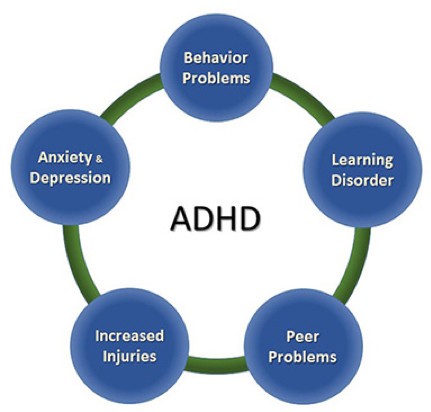
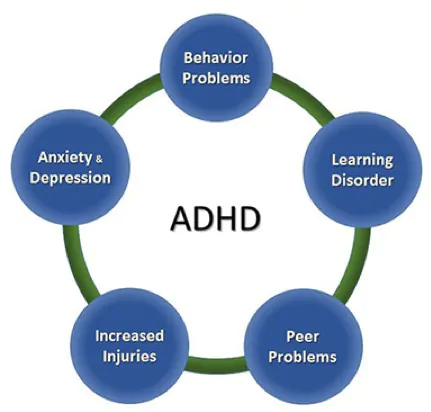
Attention-Deficit / Hyperactivity Disorder (ADHD) and Adverse Childhood Experiences "Inattentive, hyperactive, and impulsive behaviour may mirror the effects of adversity, and many doctors don't know how—or don't have time—to tell the difference." [1] ​​People with ADHD may have trouble paying attention, controlling impulsive behaviors (may act without thinking about the result), or be overly active. Although ADHD can't be cured, it can be successfully managed, and some symptoms may improve as the child ages [2].  The CDC website highlights two treatments for ADHD (a) behavior therapy, including training for parents, and (b) medications. The prevalence of ADHD is shows high

Attention-Deficit / Hyperactivity Disorder (ADHD) and Adverse Childhood Experiences2026-08-25T12:10:29+05:30

The importance of assessing progress – Regression Therapy and Life Coaching at Wellness Space

The importance of assessing progress - Regression Therapy and Life Coaching at Wellness Space How do we know whether coaching or therapy sessions are going well?  There are multiple ways of assessing progress. Assessment during the initial consultation: First, consulting helps us understand the opportunity areas or broken areas in someone's life. Along with this, we do several assessments such as WHO-5 Wellbeing, Anxiety levels, the extent of  Adverse childhood experiences and so on. We assess Well Being so that we understand there is underlying stress. Stress is challenging to measure, so we start with the WHO Well-being

The importance of assessing progress – Regression Therapy and Life Coaching at Wellness Space2026-08-25T12:10:30+05:30

Did you know ? The role of emotions in Obesity

The role of emotions in obesity. Obesity in India has reached epidemic proportions in the 21st century, with morbid obesity affecting a significant portion of the country's population. That overweight and obesity prevalence will increase to 30% and 9.5% among men and 28 and 14% among women by 2040[1]. Despite increased health awareness of more physical activities, obesity continues to grow! This trend needs investigation. In our coaching and therapeutic practice at Wellness Space, we get many clients who say that despite dieting, gymming, yoga and other workouts, they still don’t seem to lose weight. Others admit that they cannot

Did you know ? The role of emotions in Obesity2026-08-25T12:10:30+05:30

SEE Protocol workshop July

What is SEE Protocol? This protocol is taught during Module 1 of our Integrated Certification on Regression Therapy & Life Coaching.  This active meditation or self-hypnosis process was designed to invoke several important physiological and emotional states which are likely to improve HRV and therefore enhance emotional regulation [i]. The coherence through humming (simple monotonous nasal sound at a comfortable breathing length) and slow coherent breathing increase the high amplitude oscillations that have a causal impact on the emotional regulation.  Evidence also demonstrated that self-hypnosis or auto-suggestions have a positive impact on emotional regulation even for individuals with low suggestibility

SEE Protocol workshop July2026-08-25T12:10:30+05:30
Go to Top