The Hidden Link Between Addiction and Childhood Trauma: Dr. Riri on Jist
Why do some adults freeze when their boss raises his voice? Why does a childhood fear of rain follow someone into their forties? And why do some people who grew up in painful homes turn to substances, while others don’t?
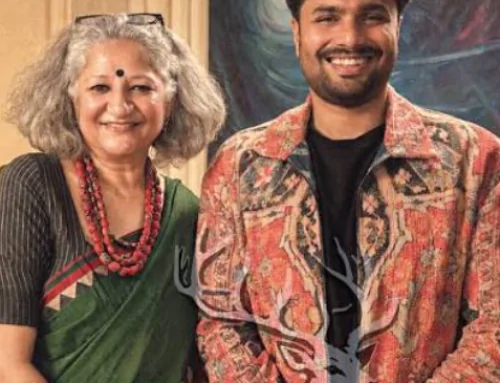
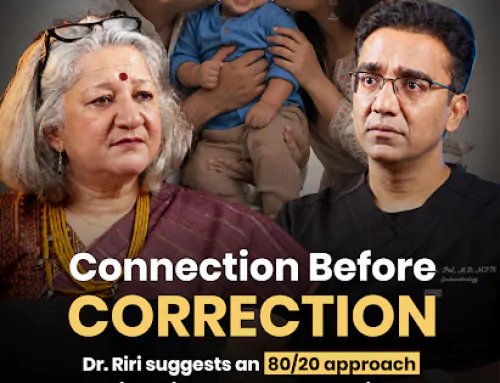
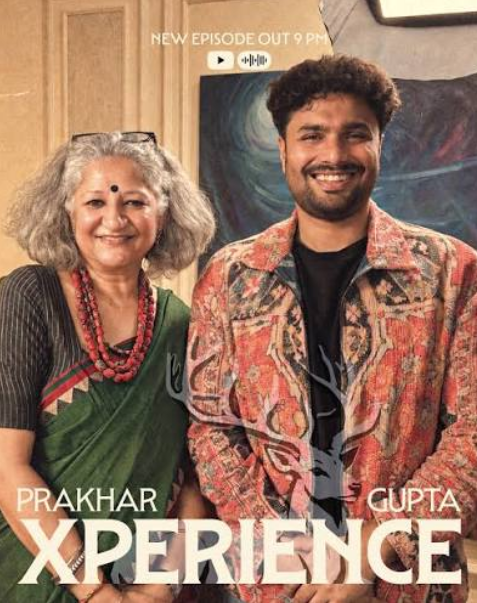
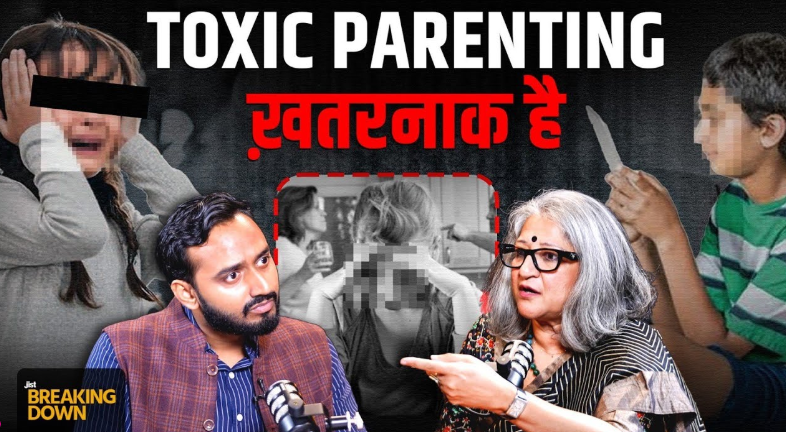
In this two-hour conversation on Jist’s Breaking Down, host Mukul sits down with Dr. Riri G Trivedi, co-founder of Wellness Space, psychotherapist and co-author of two books from Penguin Random House India. Together they unpack how childhood experiences shape the way we parent, love, cope and heal, and what the research actually says about the link between childhood trauma and addiction.
The conversation draws on ideas from both of our books: This Book Won’t Teach You Parenting, written for parents who want to raise children differently from how they were raised, and What Happened to Me? vs What’s Wrong with Me?, which explains how childhood adversity shows up in adult life.
Published on Jist, 12 September 2026 · Running time about 2 hours · In Hindi and English
Quick answer: Childhood trauma does not cause addiction on its own, but it is strongly linked with higher risk. Unhealed pain, a nervous system stuck in survival mode, and a lack of safe adults can make substances feel like relief. The same research shows that one caring adult and positive childhood experiences can protect a child. Jump to the addiction segment at 1:26:01.
Episode Timestamps and Show Notes
Click any timestamp to open the video at that moment.
Getting the right help
- 00:00 Montage. Highlights from the conversation.
- 01:42 Introduction. Mukul introduces Dr. Riri and the question at the heart of the episode: how much of who we are as adults was shaped in childhood?
- 03:36 Who is the right specialist, and how do they work? What to expect when you first reach out for help.
- 04:16 Psychiatrist vs psychologist vs therapist. The differences in training and approach, and when medication, assessment or talk therapy is the right starting point.
How childhood experiences stay with us
- 07:42 Inner child therapy and trauma-driven frugality. How a childhood of scarcity can turn into anxious money habits in adulthood, and what inner child therapy works on.
- 11:15 How phobias form: the rain story. A client story showing how one frightening childhood moment can become a lasting fear.
- 14:39 “What happened to me?” vs “What’s wrong with me?” The central idea of our book: moving from self-blame to self-understanding.
- 17:07 Why trauma hits later: the camel story. Why the effects of childhood adversity often surface years later, when stress piles up.
- 20:11 Emotional resilience and how parents break it. Everyday parenting habits that weaken a child’s ability to cope.
- 22:46 When your boss triggers your father wound. How old dynamics with parents replay in adult relationships at work.
Parenting patterns that hurt, and what to do instead
- 25:49 Why beating kids is normalised. Why physical punishment is still widely accepted in Indian homes.
- 28:48 Parenting styles: permissive vs balanced vs friend. The difference between being your child’s friend and being a warm, firm parent. Read more on positive parenting.
- 34:04 Forced feeding, eating disorders and stress. How pressure around food at the dinner table can shape a child’s relationship with eating.
- 38:48 Emotional abuse: guilt-tripping and blackmail. Forms of emotional abuse that are rarely named as abuse.
- 41:43 Exam pressure, school changes and toxic shame. How academic pressure and frequent upheaval can leave children feeling they are never enough.
What protects children
- 46:05 Buffering adults: one person can save a child. Why a single safe, caring adult can change a child’s trajectory.
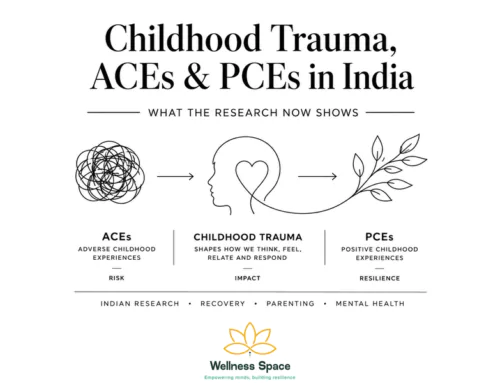
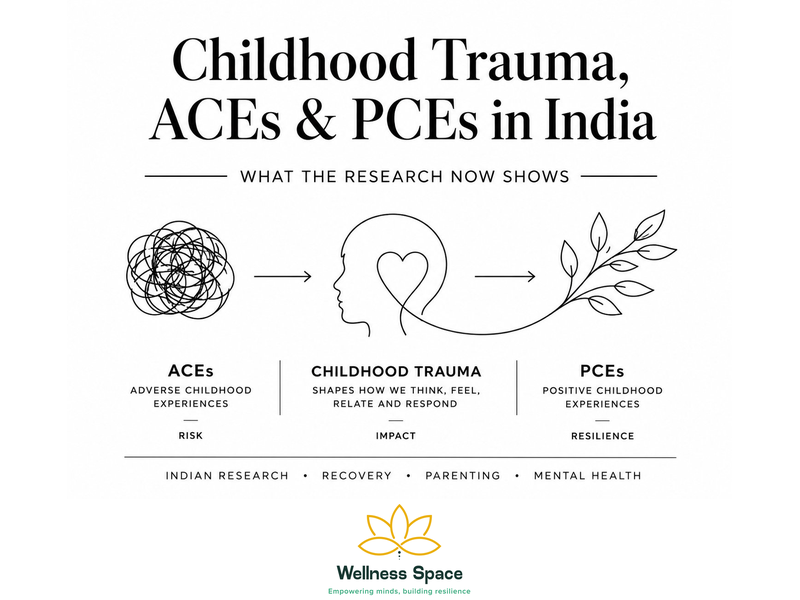
- 49:04 Positive childhood experiences (PCEs). The research on good experiences that protect against the effects of adversity.
- 53:01 Should struggling couples have kids? What children absorb from a strained marriage.
- 56:57 Cool parenting vs parental authority. Where the line sits between being approachable and giving up structure.
- 1:01:25 Why teens seek love outside, and men’s emotions. Emotional gaps at home, and why boys are often taught not to feel.
Healing as an adult
- 1:09:06 Real forgiveness: mind vs body. Why deciding to forgive is not the same as the body letting go.
- 1:13:02 Anger, self-sabotage and resetting the nervous system. How unresolved trauma fuels anger and self-sabotage, and ways to calm the nervous system.
- 1:22:01 Self-hypnosis and guided visualisation. An introduction to techniques used in therapy for self-regulation.
- 1:26:01 Trauma and addiction: correlation vs causation. The heart of the episode title. Childhood trauma is linked with higher addiction risk, but a link is not the same as a cause. See the section below.
Big questions from parents
- 1:31:19 Working parents, nannies, boarding school and social anxiety. What children need when parents cannot always be present.
- 1:38:43 Is physical punishment ever okay? Plus Gen Z labels. A direct answer on hitting children, and a discussion of how young people use mental health labels.
- 1:45:16 Kota suicides, why children consider suicide, and final thoughts. A sensitive segment on student suicides and what adults can watch for. Support details are at the end of this page.
- 1:54:35 Book recommendations and closing.
How Childhood Trauma Shapes the Way You Parent, and How to Break the Cycle
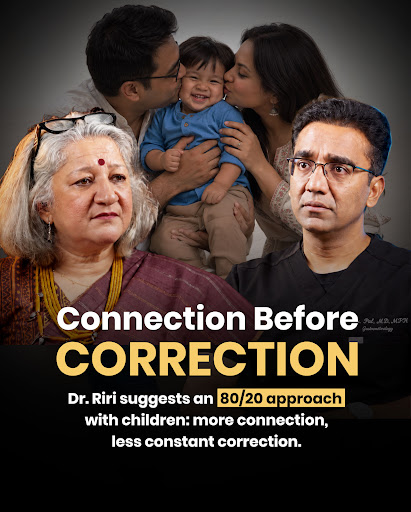
Much of this episode is really about parents. Forced feeding, exam pressure, guilt-tripping, the slap that “never did me any harm”: most of us parent the way we were parented, often without noticing. Dr. Riri’s point in the parenting styles segment (28:48) is that the answer is neither strictness nor becoming your child’s friend. It is a steady middle path: warm and connected, but still holding boundaries.
That middle path is what This Book Won’t Teach You Parenting is built around. Written by Dr. Riri G Trivedi with parent coach Anagha Nagpal, it offers a framework for positive parenting in the Indian context, from toddlerhood to the teenage years. It deals with the situations Indian families actually face: joint family dynamics, screen time, social media and teen relationships.
The book starts with the parent, not the child. Self-reflection exercises help you spot patterns carried over from your own childhood. Self-regulation techniques help you respond calmly instead of reacting when you are stressed. The goal is a child with emotional resilience, and a parent who no longer has to repeat what hurt them.
Button: Explore This Book Won’t Teach You Parenting
Secondary link: Buy on Amazon.in
Published by Ebury Press (Penguin Random House India), 2025 · 352 pages · Also on audiobook
Childhood Trauma and Addiction: A Link, Not a Life Sentence
The episode title promises a hidden link between addiction and childhood trauma, and in the segment at 1:26:01 Dr. Riri is careful about what that link means. Research on adverse childhood experiences (ACEs) consistently finds that people with more childhood adversity face higher risk of substance use problems later. But correlation is not causation. Many people with painful childhoods never develop an addiction, and many people with addictions had loving homes.
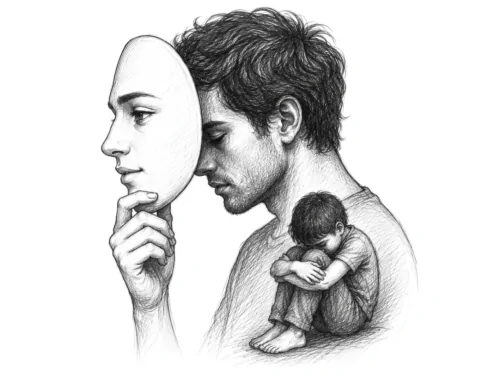
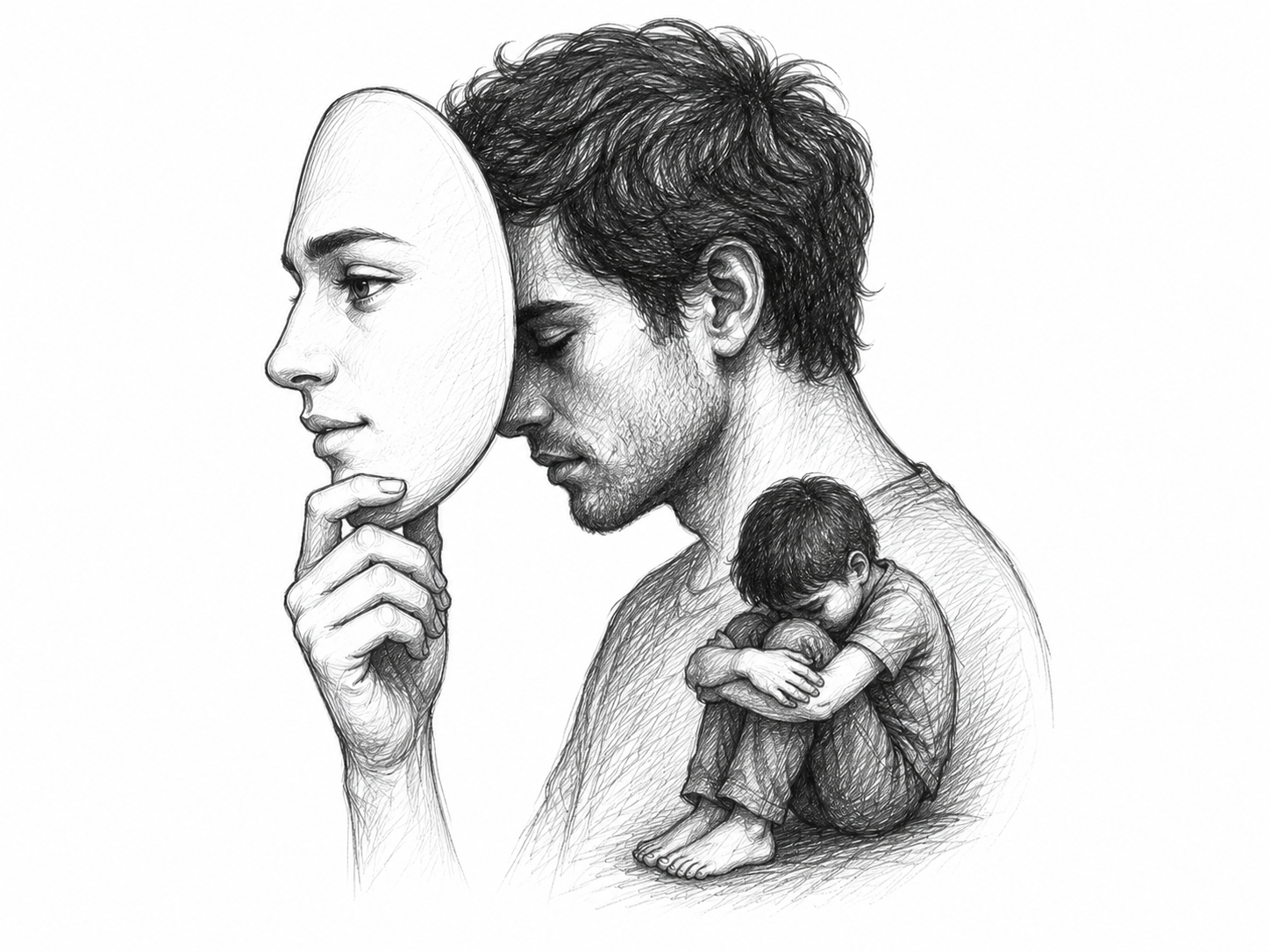
What the link does suggest is that addiction is often worth understanding, not just stopping. When a child grows up without safety, the nervous system can stay on alert for years. Substances, overwork or constant scrolling can become ways to switch that alarm off. Seen this way, the more useful question is not “What’s wrong with me?” but “What happened to me?”
That question is the title and the heart of What Happened to Me? vs What’s Wrong with Me?, by Dr. Gunjan Y Trivedi, Dr. Riri G Trivedi and Dr. Hemalatha Ramani. Built on thousands of client interviews and the authors’ peer-reviewed research, it explains how childhood experiences in Indian families (joint households, comparison, silence) surface in adult life as anxiety, people-pleasing, perfectionism, burnout and relationship struggles. It also explains the mind-body connection and offers practical steps toward healing.
If you recognised yourself in this episode, the book is a gentle place to start. For deeper work, read our guide to Complex PTSD and childhood emotional neglect.
Button: Explore What Happened to Me?
Secondary link: Buy on Amazon.in
Published by Ebury Press (Penguin Random House India), 22 June 2026
About Dr. Riri G Trivedi
Dr. Riri G Trivedi is a psychotherapist and co-founder of Wellness Space in Ahmedabad, which she started with Dr. Gunjan Y Trivedi in 2010. Her PhD examined the impact of adverse childhood experiences on adult mental health in India. She practises and teaches evidence-based psychotherapy, with a focus on inner child therapy and hypnotherapy, and has spoken twice at TEDx. Read her full profile →
Keep Reading
- Inner child therapy at Wellness Space
- Inner child integration and emotional neglect in Complex PTSD recovery
- Complex PTSD: frequently asked questions
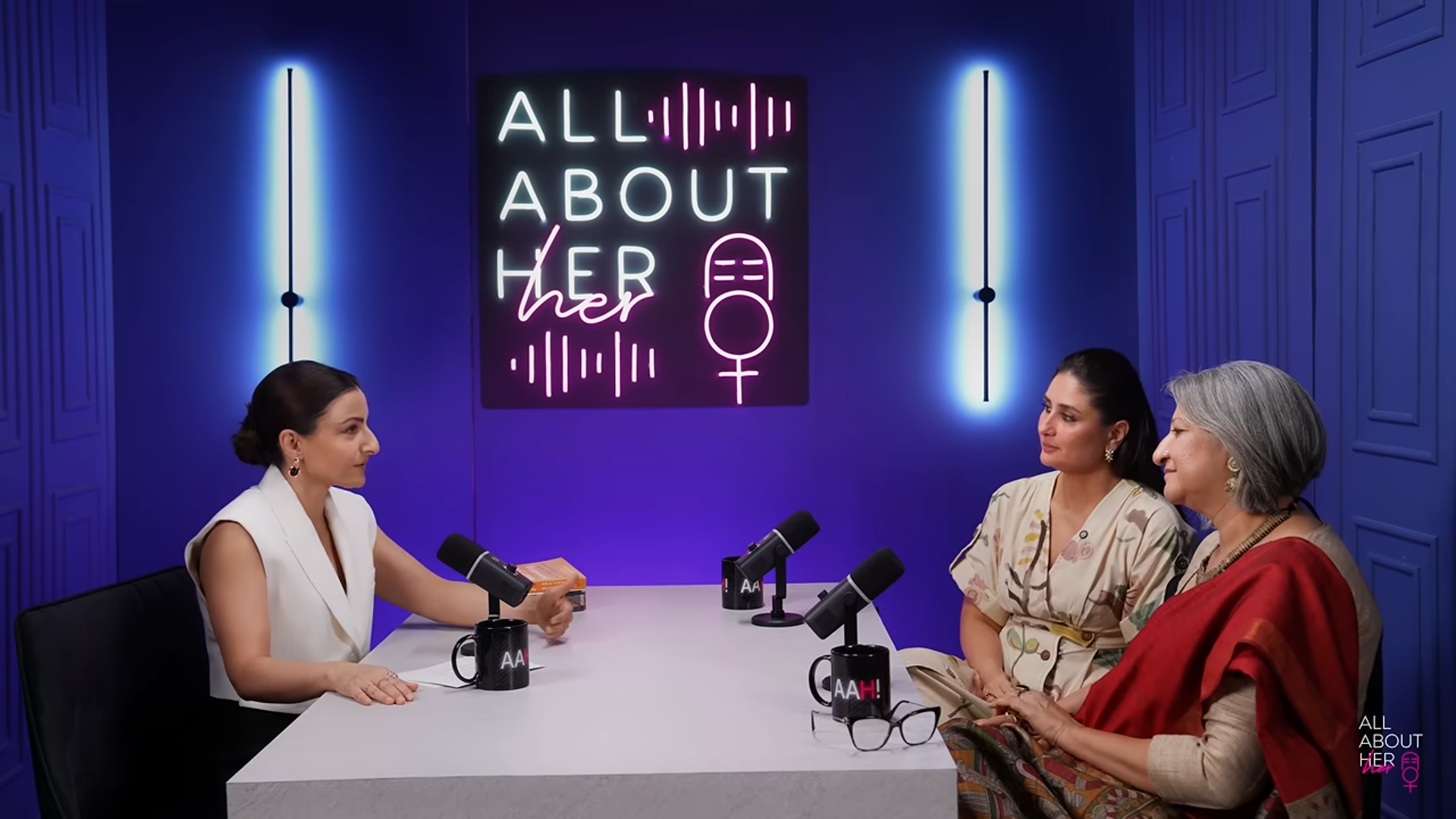
- Positive parenting lessons from Kareena Kapoor and Soha Ali Khan
Support box (styled callout, end of page):
This episode discusses suicide and child abuse. If you or someone you know is struggling, you don’t have to handle it alone. In India, call Tele-MANAS on 14416 (free, 24 hours, multiple languages). In an emergency, call 112.
To work with a therapist, contact Wellness Space.